
Reviewed · NASHVILLE CITY TOURS
Nashville’s Hidden Gems E-bike Tour
Nashville makes the most sense when you connect its music landmarks with the neighborhoods around them. This 2.5-hour e-bike tour does just that, linking Broadway and the Country Music Hall of Fame with Germantown, old rail yards, civil rights history, and skyline views from the John Seigenthaler Pedestrian Bridge.
I like two things here. First, the electric bike lets you cover far more ground than you could on foot, without turning the ride into a workout. Second, the small group, capped at 10 people, gives the guide room to talk about people such as Frankie Pierce, whose story adds depth beyond the usual country-music script.
The main consideration is route overlap. If you already plan to visit Broadway, Printer’s Alley, and the Walk of Fame on foot, you will see some of those places again. The tour is still useful for context and neighborhood connections, but check the route before scheduling your independent sightseeing.
Key points to know before you ride
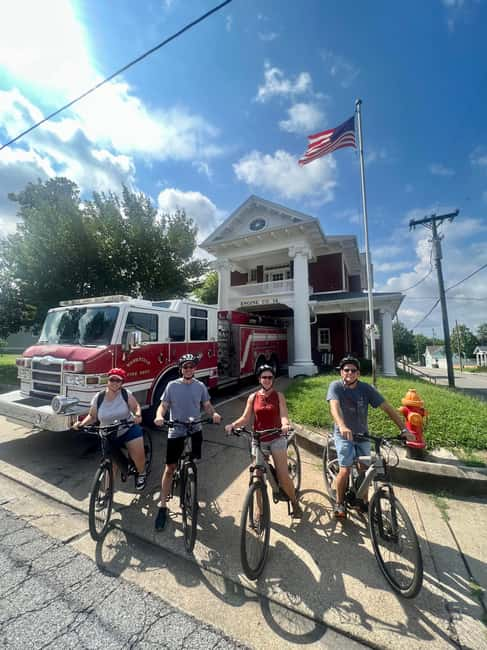
- Frankie Pierce Park adds civil rights history: This quiet stop honors a Nashville figure many visitors would otherwise miss.
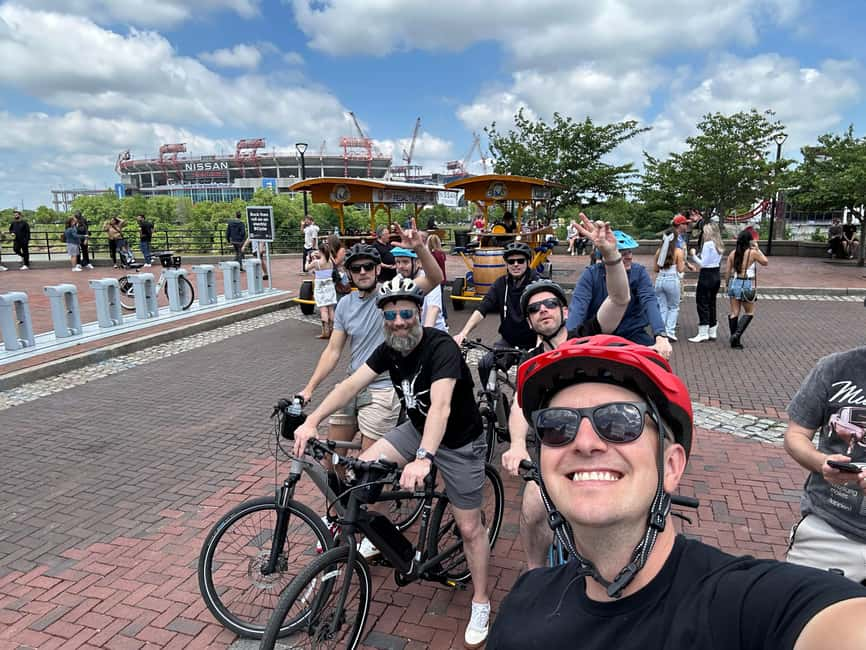
- The John Seigenthaler Pedestrian Bridge delivers the best photo stop: You get open views toward downtown and the Cumberland River.
- The electric bike saves your legs: You can move between downtown, The Gulch, Germantown, and Bicentennial Mall without fighting Nashville’s distances on foot.
- The group is limited to 10 people: That is small enough for questions and easier traffic management than a large bus tour.
- Carlos and Justin have both led the ride: Carlos received praise for keeping riders safe in downtown traffic, while Justin shared restaurant advice and local details.
- The $97 price pays for more than a bike: Your fee includes the e-bike, helmet, water, and a live English-speaking guide, but not meals or transportation to the start.
Why an e-bike is a smart way to see Nashville
Nashville’s central sights are close enough to look walkable on a map, but the city spreads out quickly. Broadway, The Gulch, Germantown, Capitol View, Marathon Village, and Bicentennial Mall form a broad loop. Walking that full route would take much longer and leave less time for stories and photo stops.
An electric bike solves the distance problem. You still pedal, but the motor helps you keep a steady pace. That matters on a hot day, and one rider specifically praised the pace in warm weather. You get the outdoor feel of cycling without arriving at each stop worn out.
This is still a bike tour, not a sightseeing bus with pedals. You need to be comfortable riding a bicycle and handling downtown traffic. People with back problems, anyone unable to ride a bike, and children under 14 should choose another way to see the city.
The bikes, helmets, and bottled water are included. Wear comfortable clothes and shoes, bring sunscreen, and keep your camera handy. Smoking is not permitted during the ride.
More e-bike tours in Nashville:
- Nashville E-Bike Tour: Explore the Heart of Music City
★ 5.0 · 444 reviews - Downtown Nashville’s Hidden Gems E-bike Tour
★ 5.0 · 372 reviews - The Original Music City Electric Bicycle Guided City Tour 16miles
★ 5.0 · 354 reviews
Starting at Capitol View and 1305 Clinton Street
The meeting point is 1305 Clinton Street, where the guide and e-bikes line up in front of the entrance. The ride begins in Capitol View, an area where old rail yards and warehouses have been remade as shops and restaurants.
That opening gives you a useful Nashville lesson right away. The city is not only honky-tonks and recording studios. It is also a place where former industrial areas have taken on new uses. Your guide can explain that change as you roll through, rather than leaving you to guess what the older buildings once did.
A safety briefing comes before the ride. Take it seriously. Nashville traffic can be busy, and the quality of this kind of tour depends partly on how confidently the group moves together. Carlos earned particular praise for leading riders safely through downtown traffic, which is an important detail for anyone who feels nervous about city cycling.
Frankie Pierce Park and the stories behind the city
Frankie Pierce Park is one of the most meaningful stops because it shifts attention away from celebrity names. The park honors Frankie Pierce, a civil rights pioneer whose story is not as widely known as the musicians associated with Nashville.
You will not simply be checking off another park. The guide uses the stop to explain part of the city’s civil rights story and the people who worked for change. That makes the tour more than a fast ride between photo locations.
This is also where a live guide earns the fee. A sign can give you a name and a date. A local guide can explain why that person matters and connect the story to the city around you. If you enjoy local history but do not want a formal museum tour, this stop is a strong reason to book.
The Gulch, Music City Center, and the modern city
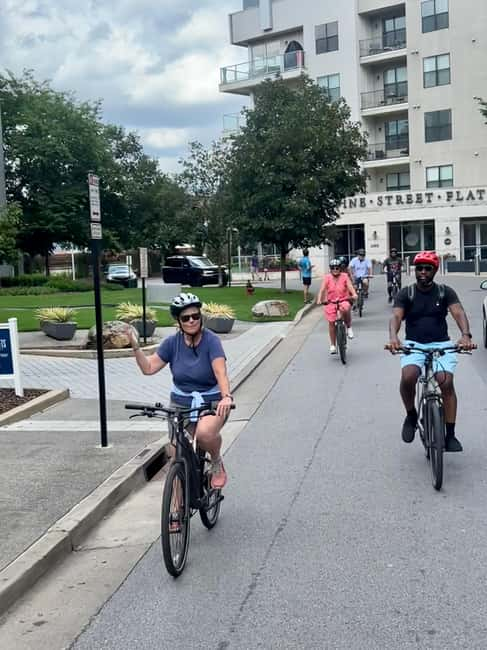
The route continues through The Gulch, once an industrial area shaped by rail tracks and warehouses. Today it is known for art, newer buildings, restaurants, and a young urban feel.
The contrast is the point. You see how Nashville has repurposed working spaces into one of its most popular districts. The guide also offers suggestions for places to eat and explore after the ride, which can be valuable if your schedule includes free time in Nashville.
You then pass Music City Center, a large convention complex in the middle of downtown. The building helps show how Nashville has grown into a major destination for music, events, and business. It also marks the transition from neighborhood streets to the city’s best-known attractions.
The Gulch is scheduled as a photo stop, while other parts of this stretch are brief sightseeing passes. Do not expect long independent visits at every location. The strength here is the moving story, with the bike carrying you from one part of the city to the next.
More city tours in Nashville:
- Best of Nashville City Sightseeing Tour on Double Decker Bus
★ 4.5 · 2,601 reviews - Discover Nashville City Tour with Entry to Ryman & Country Music Hall of Fame
★ 4.5 · 2,412 reviews - Nashville: Double-Decker City Tour
★ 4.6 · 738 reviews - 90-Minute Monster Truck Joyride City Tour of Nashville
★ 4.5 · 391 reviews
The Walk of Fame and Nashville’s music story
At the Country Music Hall of Fame and the Walk of Fame, the focus turns to the performers who made Nashville a worldwide music center. You will hear about the legends connected to the city, while standing near the places that honor them.
This stop works especially well early in a Nashville visit. It gives you a basic map of the music world before you spend an evening listening to live bands. You may also gain a better sense of how the city’s recording, performance, and touring traditions fit together.
The tradeoff is that the tour does not replace the Country Music Hall of Fame itself. If you want exhibits, artifacts, and a long look at music history, you need a separate admission and several hours. The bike tour gives you the outside setting and guide commentary, not the full museum experience.
The John Seigenthaler Pedestrian Bridge photo stop
The John Seigenthaler Pedestrian Bridge is one of the clearest payoffs of the route. From the bridge, you can frame downtown Nashville, the Cumberland River, and the city skyline in one photograph.
It is also a welcome pause after riding through denser streets. You can catch your breath, take pictures, and hear how the river helped shape Nashville’s growth. The stop gives the city a wider setting, rather than showing you only storefronts and sidewalks.
Bring your camera, but do not count on a long private photo session. The group moves together, and the bridge is a public place. You will have time for pictures, though the exact rhythm depends on traffic, weather, and the pace of the group.
Lower Broadway and Printer’s Alley
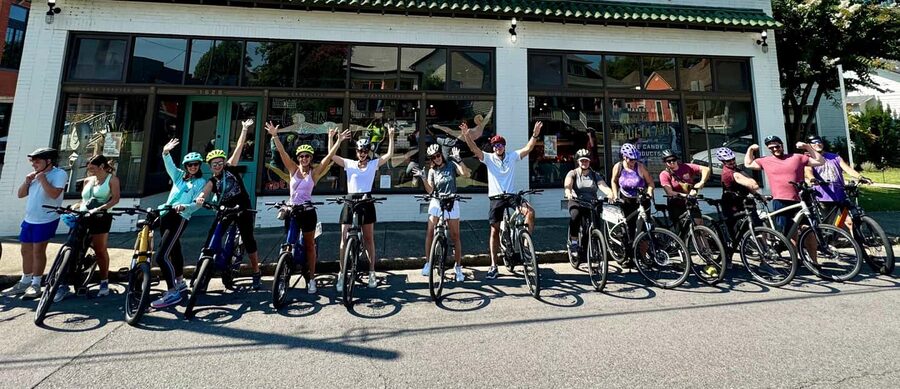
Lower Broadway is Nashville’s famous honky-tonk strip, lined with bright signs and live music. The tour passes through the area and explains how it became a rite of passage for country performers and a major part of the city’s visitor culture.
Seeing Broadway by bike gives you a different view from an evening visit on foot. You can understand where it sits within downtown and how quickly the mood changes once you leave the main strip. Still, Broadway is likely to be crowded and noisy, so this is not the place for a relaxed, empty-road ride.
Printer’s Alley offers a sharper contrast. The narrow downtown lane has connections to bootlegging, jazz clubs, and older nightlife. It remains one of the more distinctive corners of central Nashville, and the short photo stop gives you a chance to see it without committing a full evening to the area.
If you already plan to spend time on Broadway and in Printer’s Alley, this section may feel familiar. The guide’s stories are the added value. You are not only passing a famous street, you are learning how its reputation developed.
Public Square Park and Nashville’s civic center
The ride passes Public Square Park and the city government area before heading toward Germantown. This section receives less attention than Broadway, but it helps fill in the city’s civic side.
Nashville can easily seem like a place built only around music. Public Square Park and the government center remind you that it is also a working capital city. The short stop or pass-through does not offer a long visit, yet it helps connect the downtown entertainment zone with the institutions that run Tennessee’s capital.
This is a good example of the tour’s overall approach. You get selected glimpses rather than long stays at each attraction. That format suits you if you want a broad orientation and local commentary. It is less suitable if you prefer to spend 30 minutes at every site.
Germantown’s local streets and small businesses
Germantown brings the ride into a neighborhood setting. The area has historic character, locally owned businesses, and a quieter feel than Lower Broadway.
A guided ride is useful here because you might otherwise pass through without understanding how the neighborhood fits into Nashville. Justin, one of the guides associated with the experience, was praised for sharing restaurant recommendations, and that practical advice can help you turn the tour into a dinner plan.
One reported highlight was a local chocolate place. It is not listed as a guaranteed scheduled stop, so ask your guide about it rather than planning your day around it. The broader point remains useful: this tour can point you toward food and neighborhoods beyond the most obvious tourist streets.
Bicentennial Capitol Mall State Park
The ride reaches Bicentennial Capitol Mall State Park for a break. This is a strong final stop because it combines open space, Tennessee history, and views of the State Capitol.
Look for the large granite map of Tennessee and the war memorials. The park gives you a chance to think about the state as a whole, not just Nashville as a music destination. It also offers a change of pace after the tighter streets downtown and Germantown.
The scheduled break lasts about 15 minutes. That is enough to look around and take pictures, but not enough for a full park visit. If the park matters to you, return later on foot and give it more time.
The route also includes Nashville Farmers’ Market and Marathon Village. These are sightseeing passes rather than the main stops, but they add useful local color. Marathon Village connects with Nashville’s industrial past, while the Farmers’ Market offers another possible place to eat or browse after the tour.
What the $97 price gets you
At $97 per person, this is not a bargain transportation option. You are paying for a premium electric bike, helmet, water, a local guide, and 150 minutes of guided sightseeing. There is no meal, hotel pickup, or drop-off included.
I think the price is easiest to justify if you are new to Nashville and want a strong first look at several districts. A taxi or rideshare could move you between stops, but it would not provide the same continuous guide commentary or outdoor experience. Walking would cost less, but you would cover fewer areas in the same time.
The value also depends on your interest in stories. If you only want photographs of Broadway, you can see some of those sights on your own. If you want the link between rail yards, civil rights history, music landmarks, neighborhoods, and the river, the guide makes the fee more worthwhile.
The group limit of 10 helps. You are not lost in a crowd, and you can ask questions. The small size also makes it easier for the guide to watch the group in traffic.
Who should book this Nashville ride?
I would choose this tour early in a first Nashville visit. It gives you a working map of downtown and several nearby areas, plus ideas for restaurants and later stops. Afterward, you can return to the places that deserve more time.
It suits active adults and older teens who can ride comfortably. It is also a good fit for people who dislike long walking tours, especially in hot weather, but still want to be outside.
You may want to skip it if you cannot ride a bike, have back problems, or want a slow, indoor history experience. It is also not ideal if you have already spent substantial time at every listed stop and prefer completely new sights.
Allow time to reach 1305 Clinton Street on your own. Wear closed, comfortable shoes, apply sunscreen, and keep water and a camera close. You can cancel up to 24 hours ahead for a full refund, and the reserve-now, pay-later option may help if your Nashville plans are still shifting.
Should you book the Hidden Gems E-bike Tour?
Book it if you want a fast, social introduction to Nashville that reaches beyond the honky-tonk strip. The best parts are the electric-bike pace, the bridge views, Frankie Pierce Park, Germantown, and the chance to ask a local guide about food and neighborhoods.
The tour is less useful as a second visit to the same famous sights if you have already explored downtown carefully. Still, the connections between the districts and the guide’s stories can add value. For a first or second day in Nashville, especially in warm weather, $97 is a reasonable price for a small-group ride that covers a lot of ground without exhausting you.
FAQ
How long does the Nashville e-bike tour last?
The tour lasts 150 minutes, or 2.5 hours.
Where does the tour start and finish?
The tour starts and returns to 1305 Clinton Street. The guide and e-bikes are lined up in front of the entrance.
What is included in the price?
The price includes an electric bike, helmet, bottled water, and a local English-speaking guide.
How many people are in the group?
The group is limited to 10 participants.
Do I need to know how to ride a bicycle?
Yes. Participants should be able to ride a bike comfortably.
Is the tour suitable for children?
Children under 14 are not permitted on the tour.
More E-Bikes in Nashville
- Nashville: Electric Bike 2-hour Tour
★ 4.9 · 8 reviews - E-bike Mural Tour of Nashville
★ 5.0 · 4 reviews
More bike days around Nashville
- Nashville’s Historic Electric Bike Tour
★ 5.0 · 189 reviews - E-bike Rental to Explore Nashville (2 or 4 hours)
★ 5.0 · 170 reviews - Nashville: Immersive E-Bike Tour of Music City’s History
★ 4.8 · 99 reviews - East Nashville Neighborhood E-bike Tour
★ 5.0 · 14 reviews
Newest Nashville write-ups
- First class limo in Nashville, Tennessee luxury car★ 5.0 · 19 reviews
- Adventure Park Ziplining and Climbing in Nashville★ 4.5 · 27 reviews
- Nashville Songwriter Experience: Write your own Song★ 5.0 · 37 reviews
- Live the Nashville Dream: Write and Record Your Very Own Song!★ 5.0 · 18 reviews
- Whiskey or Wine Pairing with Chocolate Experience★ 5.0 · 13 reviews
- Private Bike Taxi Tour: Nashville’s Downtown and Hidden Gems★ 4.5 · 11 reviews
- Wander Nashville- Guided Historic Walking Tour★ 5.0 · 55 reviews
- Vaccine: Search For The Zombie Cure – Escape Experience★ 5.0 · 30 reviews
Nashville City Tours, compared.
Best of Nashville City Sightseeing Tour on Double Decker Bus
Read our review →
Discover Nashville City Tour with Entry to Ryman & Country Music Hall of Fame
Read our review →
90-Minute Monster Truck Joyride City Tour of Nashville
Read our review →
Discover Nashville: Fully Narrated Half-Day City Tour
Read our review →
The Original Music City Electric Bicycle Guided City Tour 16miles
Read our review →
Nashville Unveiled: The History, Music, and Hacks Tour!
Read our review →
E-bike Rental to Explore Nashville (2 or 4 hours)
Read our review →Browse the lists this tour appears in