
Reviewed · NASHVILLE MUSIC HISTORY TOURS
Musicians Hall of Fame and Museum Admission Ticket in Nashville
The best part of this museum is its focus on the people who made the music, not only the stars on the album covers. You can see Joe Osborn’s Fender Jazz Bass, hear how recording sessions took shape, and step onto the original stage where a young Jimi Hendrix once played. I like that the exhibits reach beyond country music, and I like the hands-on GRAMMY Gallery, where you can sing, play instruments, and try studio work. The one drawback is that some displays are text-heavy, and the museum may feel less exciting if your interest in music history is limited.
At $28, this is a strong value if you allow two or three hours. It is near downtown and public transportation, but it is not right on Broadway. If you are walking from the main strip, allow about 15 minutes, and check your route from the parking garage, since the walk can be longer than expected.
Key Points Before You Go
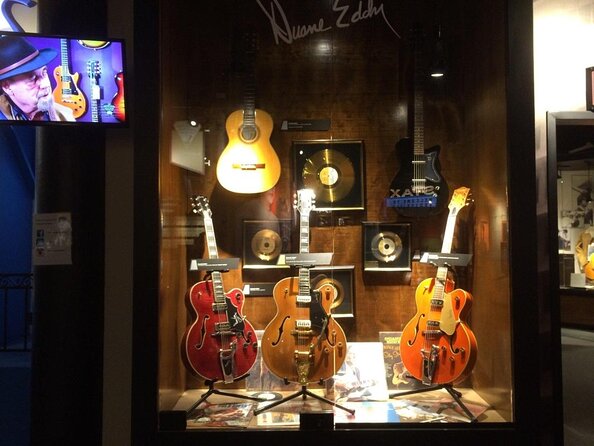
- See the instruments behind famous songs: Joe Osborn’s bass was used on recordings by The Carpenters, the Mamas and the Papas, The Grass Roots, and Simon and Garfunkel.
- Explore two music museums with one ticket: Admission includes the Musicians Hall of Fame and the interactive GRAMMY Museum Gallery.
- Make your own noise: Play electric drums, keyboard, bass, and guitar, sing with Ray Charles and the Raelettes, and try recording or DJ exhibits.
- Find Nashville beyond country music: The collection covers many forms of American music and organizes displays by genre and time period.
- Plan for one to three hours: A quick visit can take about an hour, but films, reading, and interactive exhibits can easily stretch your stay.
- Know the location: The museum is near downtown and public transportation, but it takes about 15 minutes to walk from Nashville’s main strip.
The Musicians Hall of Fame Tells a Different Nashville Story
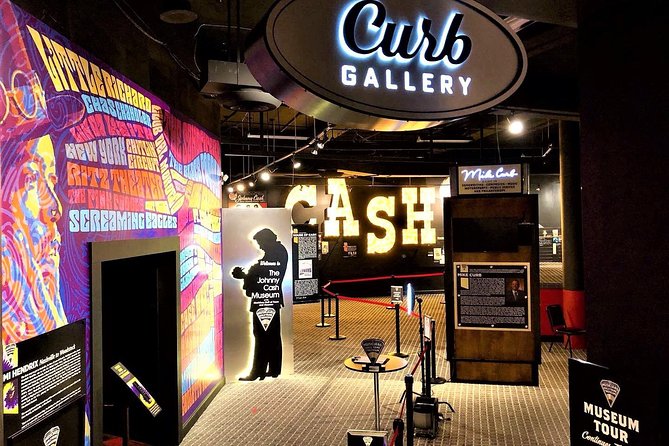
Nashville is famous for country music, but this museum makes a useful correction to that narrow picture. The Musicians Hall of Fame and Museum looks at the working musicians, studio players, producers, engineers, and recording spaces that helped shape American music.
That distinction matters. A singer may be the name on the record, but a bass line, drum part, guitar riff, control room, or backing vocal can be just as important to the finished song. Here, the instruments and equipment help tell that larger story.
You will find displays arranged by musical genre and historical period, with instruments, clothing, photographs, records, and information panels. The collection reaches into several kinds of American music rather than staying with one Nashville sound. If you enjoy discovering who played on a song, you will get more from this museum than someone who only wants a display of celebrity costumes.
I especially like the way the museum connects ordinary-looking tools to famous recordings. Joe Osborn’s Fender Jazz Bass is a good example. It is not merely an attractive vintage instrument. It was used on hits by The Carpenters, the Mamas and the Papas, The Grass Roots, and Simon and Garfunkel. That gives the object a clear purpose and helps you understand how a studio musician’s work could reach millions of listeners.
More music history tours in Nashville:
- Discover Nashville City Tour with Entry to Ryman & Country Music Hall of Fame
★ 4.5 · 2,412 reviews - Nashville RCA Studio B & Country Music Hall of Fame Ticket Combo
★ 5.0 · 1,532 reviews - Ryman Auditorium Self-Guided Tour with Souvenir Photo Onstage
★ 4.5 · 903 reviews
Famous Instruments and Studio Equipment
The museum’s strongest exhibits often involve things that were used in the recording process. You may recognize the artist’s name first, but the equipment can reveal a less familiar part of the story.
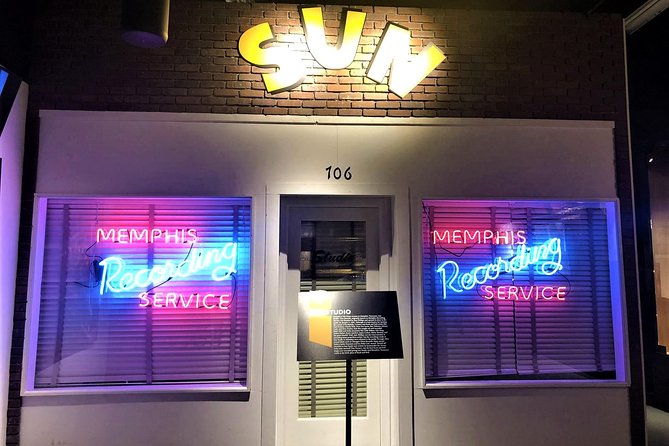
One notable display is the control board from Jack’s Tracks Recording Studio, where Garth Brooks recorded most of his hits. A control board may not have the instant visual drama of a stage costume, but it shows where musical decisions were made. Engineers and producers used equipment like this to balance voices, instruments, effects, and final mixes.
That makes the museum a good choice for anyone curious about what happens between writing a song and hearing it on the radio. Displays about songwriting, engineering, and producing build on that idea. You are not only looking at finished records. You are also seeing some of the tools and roles that helped create them.
The museum also includes the original stage where a young Jimi Hendrix played. This is one of the most memorable physical objects in the collection because it connects a famous musician to a real performance space. It gives you something concrete to picture while learning about Hendrix’s early career.
Other displays include clothing, memorabilia, records, and equipment linked to well-known performers. The collection is not limited to current music, and that is both a strength and a limitation. If you prefer older recordings and the story of how music developed, you will find plenty to examine. If you are mainly looking for recent artists, some sections may feel dated.
The GRAMMY Museum Gallery Is the Most Playful Stop
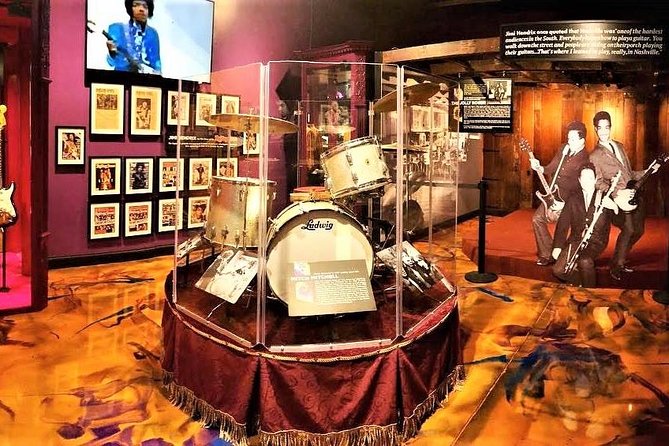
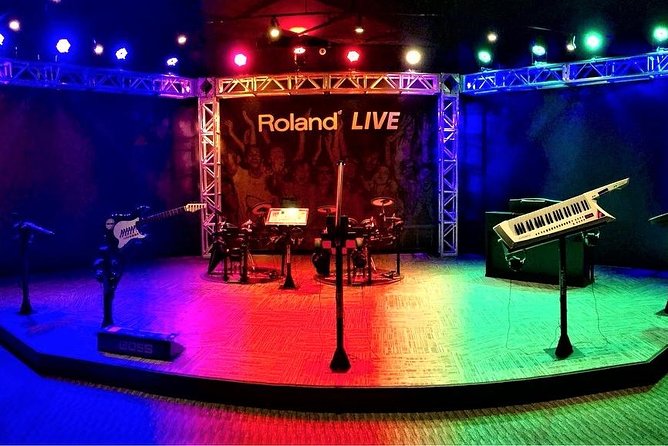
The interactive GRAMMY Museum Gallery changes the pace. After reading display panels and examining instruments, you can put on headphones and try the music-making stations yourself.
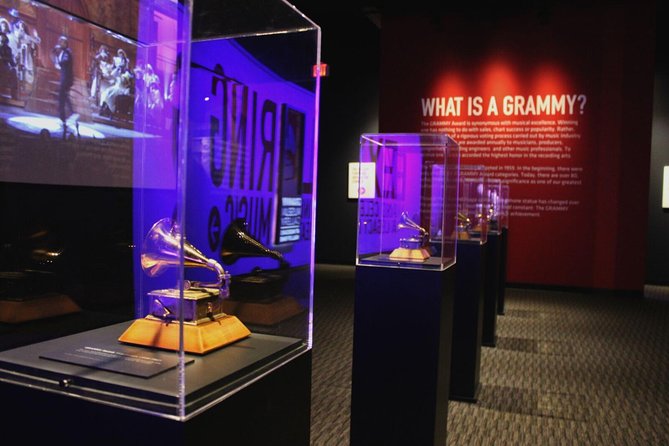
You can play electric drums, keyboard, bass, and guitar. You can also sing along with Ray Charles and the Raelettes, the all-girl backing group that performed with him. The private headphone setup keeps the experience manageable for people nearby, which is helpful when several visitors are trying the stations at once.
You do not need to be a musician to enjoy this area. The point is not to produce a polished recording. It is to give you a sense of timing, rhythm, layering, and performance. Children and teenagers may spend more time here than adults expect, while music fans can use it to test an instrument they have never played.
The gallery also looks at the work done behind the microphone. You can try exhibits connected with songwriting, recording, engineering, producing, singing, and DJing. A recording studio and rehearsal room add another layer for people who want more than a quick button-pressing activity.
This is where the $28 admission earns its keep. A conventional museum visit can be finished quickly if you only read the labels. The interactive stations give you a reason to slow down and take part. On the other hand, the hands-on area is not the main attraction for everyone. If you prefer quiet displays and detailed music history, you may spend more time in the main museum.
The interactive area is also subject to change. The museum has indicated that it plans to renovate that section, so some stations or layouts may differ from what you expect on a future visit.
How Much Time Should You Allow?
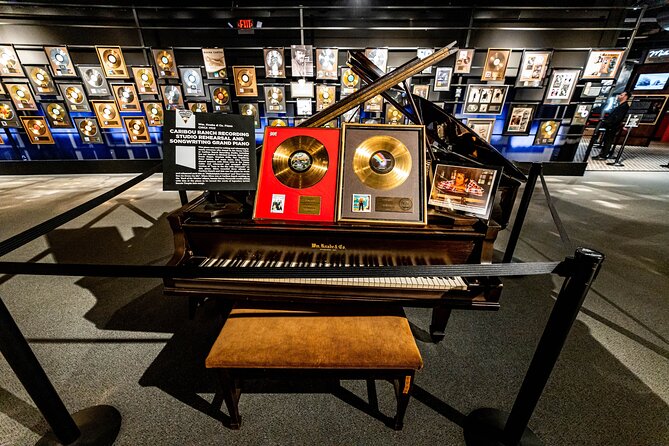
The advertised visit takes about one to three hours. That range is realistic because your pace makes a big difference.
Allow about an hour if you want a quick look at the main artifacts, a few photographs, and the most important information. That works for a tight Nashville schedule, especially if you are fitting the museum between other downtown stops.
Plan closer to two hours if you want to read the panels, watch films, and spend time in the GRAMMY Gallery. Music fans who stop at each display can easily stay longer. One particularly full visit could reach three hours, especially if you enjoy the interactive activities or are traveling with children.
I would not rush this museum in the final half-hour before closing. The facility is open Monday through Saturday from 10 a.m. to 5 p.m., so an earlier arrival gives you more freedom to read and experiment. There is no stated Sunday opening in the supplied schedule, so check the current hours before planning a Sunday visit.
A short visit is still worthwhile, but you should set your expectations correctly. This is not a quick photo stop beside Broadway. It is a museum that rewards attention, and some of its best material is printed information rather than a dramatic visual display.
More attraction tickets in Nashville:
- Grand Ole Opry Show Admission Ticket
★ 4.5 · 2,518 reviews - Belmont Mansion General Admission Ticket in Nashville
★ 4.5 · 251 reviews - Madame Tussauds Nashville Admission Ticket
★ 4.5 · 215 reviews - Country Music Hall of Fame, RCA Studio B, Hatch Show Combo Ticket
★ 5.0 · 208 reviews
Getting There From Downtown Nashville
The museum is in the heart of downtown Nashville and is near public transportation. It is not directly on the main Broadway strip, however, and that small distance affects your planning.
From the main downtown area, the walk takes about 15 minutes according to the practical directions supplied for the experience. That is an easy addition for most people, but it may feel less convenient in hot weather or after a full day on your feet.
Parking deserves a little thought. One account describes a long walk from the parking garage, so do not assume that parking nearby means you will step straight into the entrance. If you are driving, check the garage location and walking route before you arrive.
The museum’s maximum group size is listed as 100 people. That is a capacity limit rather than a promise that the museum will feel empty, but it does mean this is not structured like a large bus tour with a fixed route. You can move at your own pace and spend longer at the displays that interest you.
Who Will Get the Most From This Museum?
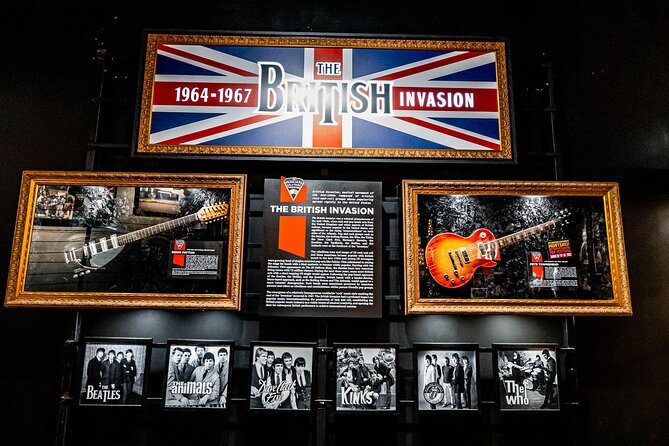
This is an easy pick for music lovers who want more than country music. The collection covers different forms of American music, and the displays connect performers with studio musicians and recording technology.
Families can also make good use of the ticket. The reading sections give adults something to study, while the instrument stations, singing activities, and recording exhibits give younger visitors something to do. A teenager who might lose interest in a conventional museum could enjoy trying bass, drums, or the vocal stations.
It is also a good fit for couples and friends who enjoy comparing musical memories. You may spend time pointing out an artist, album, instrument, or recording technique that means something to you. The museum’s layout lets each person follow their own interests instead of staying with a guide.
You may want to choose another attraction if your main goal is a detailed look at country music alone. Nashville’s country-focused museum experience is a different product, and one booking mistake can leave you at the wrong museum for your plans. Read the name carefully before buying, especially if country music is your main reason for visiting.
The museum may also feel slow if you do not enjoy reading exhibit panels. Some sections contain a lot of information, and the collection favors earlier music and recording history over recent releases. That is not a flaw for the right audience, but it is worth knowing before you spend part of a short Nashville visit here.
Is $28 a Fair Price?
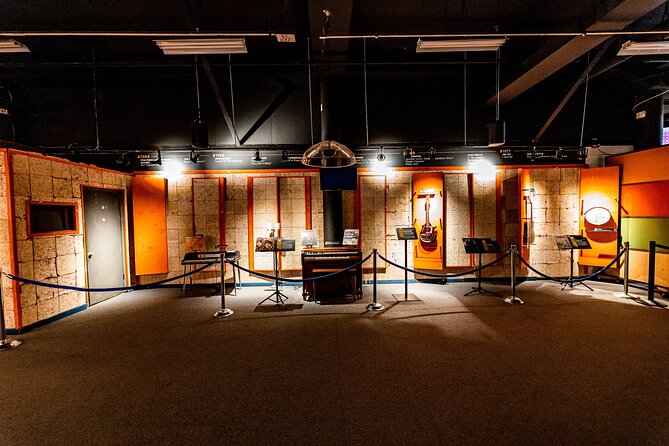
At $28 per person, the ticket is reasonable because it covers both the Musicians Hall of Fame and the GRAMMY Museum Gallery. You are not paying only to look at instruments behind glass. The interactive equipment adds a practical activity, and the studio displays give the museum more substance than a simple celebrity memorabilia collection.
The value depends on your time. At one hour, the price is fair if you focus on important artifacts and enjoy the gallery. At two or three hours, it becomes a better deal, particularly for a family or group that will use the interactive stations.
There is no mention of souvenirs being included, so plan to pay separately if you want something from the museum gift shop. That is standard for an attraction like this, but it is useful to know that the ticket covers admission only.
The overall score is listed as 4.7 from 337 ratings, with 93 percent recommending the experience. Those figures match the basic strengths of the museum: friendly staff, interesting artifacts, hands-on exhibits, and a visit that can be longer and more rewarding than expected. They do not erase the drawbacks, such as the walk from some parking garages or the older focus of parts of the collection.
Practical Booking Advice
You receive confirmation at the time of booking, and free cancellation is available until 24 hours before the experience start time. Cancel at least 24 hours ahead for a full refund. Changes or cancellations inside that window are not accepted and are not refunded.
The experience also requires good weather. If poor weather causes cancellation, you are offered another date or a full refund. That policy is worth noting even though much of the visit takes place indoors.
Most people can participate, and the experience is offered in English. If you want a quieter visit, arrive earlier in the open hours rather than waiting until late afternoon. If you are bringing a family, leave enough time for each person to use the interactive stations instead of treating them as a quick stop.
Because the museum averages bookings about 10 days ahead, booking in advance is sensible during a busy Nashville trip. You still have free cancellation within the stated time limit, which gives you some flexibility.
Should You Book the Musicians Hall of Fame?
I would book this experience if you like music, recording technology, or the stories behind famous songs. The combination of real instruments, studio equipment, Jimi Hendrix’s original stage, and hands-on GRAMMY exhibits gives you more to do than a standard display-only museum.
It is especially useful on a Nashville visit lasting more than a couple of days. The 15-minute walk from the main strip is manageable, and the museum offers a different side of the city than the bars, stages, and country music venues.
I would skip it only if your schedule is extremely tight, your interest is limited to current artists, or you want a museum devoted solely to country music. For most music fans, $28 buys a solid one-to-three-hour stop with enough variety to suit adults, families, and teenagers.
FAQ
How much does admission to the Musicians Hall of Fame cost?
Admission costs $28 per person.
How long does a visit take?
The visit takes approximately one to three hours. A quick visit may take about an hour, while reading the displays and using the interactive exhibits can fill two or three hours.
What does the ticket include?
The ticket includes admission to the Musicians Hall of Fame and Museum and access to the interactive GRAMMY Museum Gallery.
Is the GRAMMY Museum Gallery included?
Yes. The gallery is included with admission and features interactive activities involving singing, recording, DJing, songwriting, engineering, producing, and musical instruments.
What can I see at the Musicians Hall of Fame?
You can see instruments and artifacts connected with famous recordings, Joe Osborn’s Fender Jazz Bass, the control board from Jack’s Tracks Recording Studio, and the original stage where a young Jimi Hendrix played.
When is the museum open?
The listed opening hours are Monday through Saturday, 10 a.m. to 5 p.m. The supplied schedule does not list Sunday hours.
Is the museum near downtown Nashville?
Yes. It is in downtown Nashville and near public transportation. It is about a 15-minute walk from the main downtown strip, and the walk from some parking garages may be longer.
Can I cancel for a refund?
Yes. You can cancel at least 24 hours before the experience start time for a full refund. Cancellations or changes made less than 24 hours before the start time are not accepted and are not refunded.
More museums in Nashville
- Country Music Hall of Fame and Museum Admission
★ 4.5 · 1,918 reviews - Nashville: Country Music Hall of Fame and Museum
★ 4.7 · 945 reviews - Nashville Fun Pass: Johnny Cash Museum, City Trolley, RCA Studio
★ 4.5 · 93 reviews - Nashville: Legends of Country Music Museum Entry Ticket
★ 3.2 · 12 reviews
Newest Nashville write-ups
- First class limo in Nashville, Tennessee luxury car★ 5.0 · 19 reviews
- Adventure Park Ziplining and Climbing in Nashville★ 4.5 · 27 reviews
- Nashville Songwriter Experience: Write your own Song★ 5.0 · 37 reviews
- Live the Nashville Dream: Write and Record Your Very Own Song!★ 5.0 · 18 reviews
- Whiskey or Wine Pairing with Chocolate Experience★ 5.0 · 13 reviews
- Private Bike Taxi Tour: Nashville’s Downtown and Hidden Gems★ 4.5 · 11 reviews
- Wander Nashville- Guided Historic Walking Tour★ 5.0 · 55 reviews
- Vaccine: Search For The Zombie Cure – Escape Experience★ 5.0 · 30 reviews
Nashville Music History Tours, compared.

Discover Nashville City Tour with Entry to Ryman & Country Music Hall of Fame
Read our review →
Nashville RCA Studio B & Country Music Hall of Fame Ticket Combo
Read our review →
Ryman Auditorium Self-Guided Tour with Souvenir Photo Onstage
Read our review →
Nashville VIP Style Private Tour with Local Singer-Songwriter
Read our review →
Country Music Hall of Fame, RCA Studio B, Hatch Show Combo Ticket
Read our review →
Private Recording Studio Experience in Downtown Nashville
Read our review →
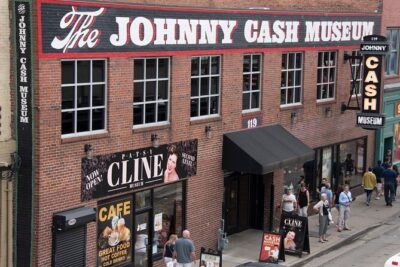
Nashville Fun Pass: Johnny Cash Museum, City Trolley, RCA Studio
Read our review →Browse the lists this tour appears in