
Reviewed · NASHVILLE CIVIL RIGHTS & BLACK HISTORY TOURS
Nashville: Belle Meade Historic Site Journey to Jubilee Tour
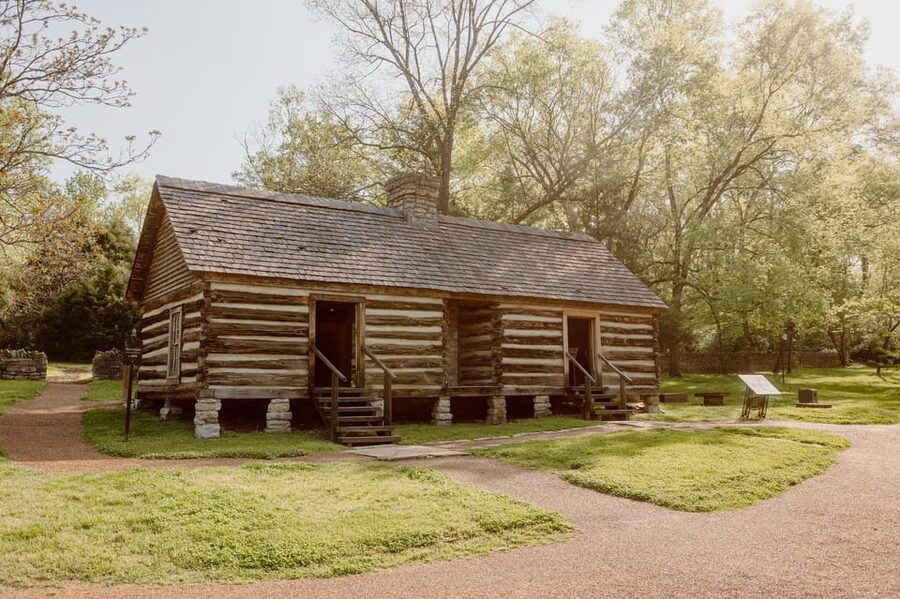
Belle Meade’s Journey to Jubilee tour does something many plantation visits avoid: it places the lives of enslaved people at the center of the story. Beginning in 1807 and moving through Tennessee’s adoption of the 13th Amendment in 1865, the tour follows the work, suffering, skill, and survival of the people who kept the plantation running.
I like the tour’s use of the kitchen house as a starting point, and I like that it connects Belle Meade to the Black heritage of thoroughbred racing. Guides such as Melissa and Taegan have earned praise for clear explanations and patient answers.
The main limitation is its short length. The advertised tour lasts 60 minutes, so the subject matter can feel compressed. You will hear many details, but you may wish for more time at certain stops.
Key points to know before you go
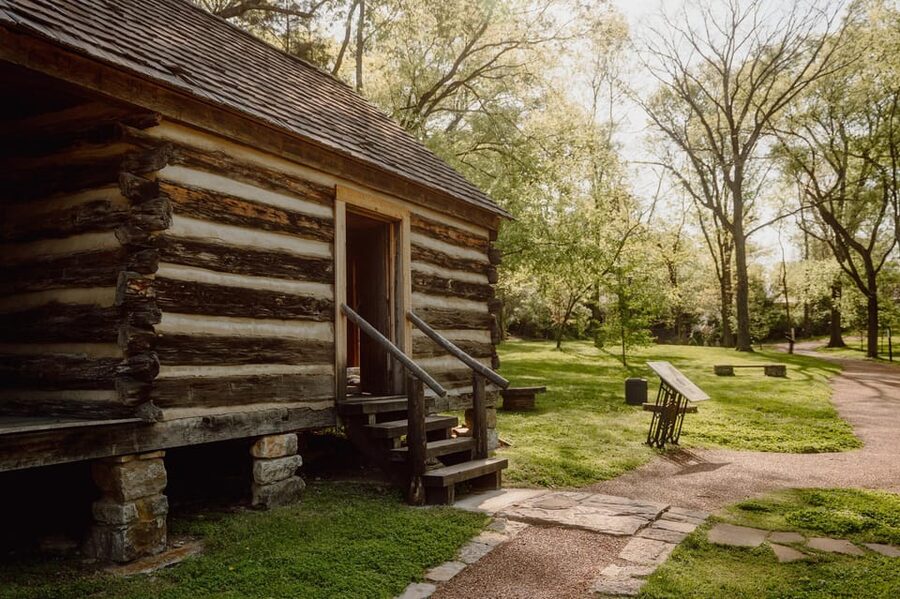
- The kitchen house starts the story: You begin with the skilled labor performed by enslaved people at Belle Meade.
- The tour covers 1807 to 1865: It follows the plantation’s history through the end of slavery in Tennessee.
- Black horse-racing history gets proper attention: The experience explains the lasting role of Black workers and horsemen in thoroughbred racing.
- Sensitive material suits ages 12 and older: Expect serious discussion of enslavement, labor, survival, and loss.
- Your ticket includes more than the walk: You also receive access to gardens, historic outbuildings, trails, an outdoor game court, the gift shop, and two restaurants.
- Wine tasting is for visitors 21 and older: The walking tour ends at the Belle Meade Winery tasting room.
Why this Belle Meade tour matters
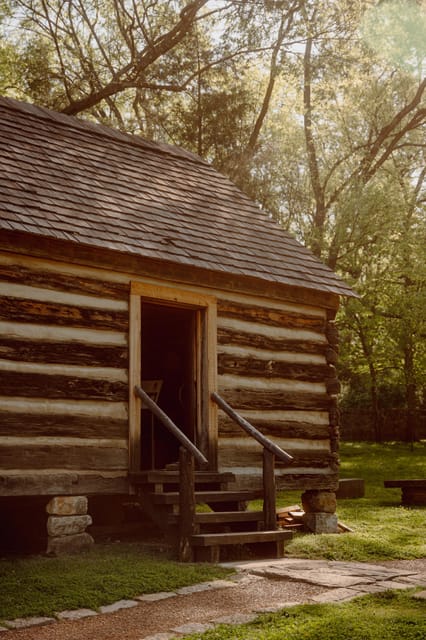
A visit to a former plantation can easily become too focused on architecture, owners, and polished rooms. Journey to Jubilee takes a different route. It asks you to pay attention to the people whose labor made the property possible, then to consider what happened to their work and identity after emancipation.
That change in focus gives the tour its weight. You are not simply looking at an old estate. You are hearing about individuals who worked in skilled roles, endured a system built on forced labor, and found ways to survive within it.
The experience draws on primary sources. That matters because the tour aims to recover details about people who were often left out of older versions of plantation history. You will not get a light entertainment tour dressed up in historical clothing. The material is serious and sometimes painful.
The suggested minimum age is 12. That seems sensible. Younger children may find the pace or subject matter difficult, while teenagers and adults can better discuss the moral and historical issues raised along the way.
More Belle Meade and historic mansion tours:
- Belle Meade Guided Mansion Tour with Complimentary Wine Tasting
★ 4.5 · 2,189 reviews - Journey to Jubilee Guided Tour at Belle Meade with Wine Tasting
★ 4.5 · 396 reviews - Belmont Mansion General Admission Ticket in Nashville
★ 4.5 · 251 reviews
Starting in the kitchen house
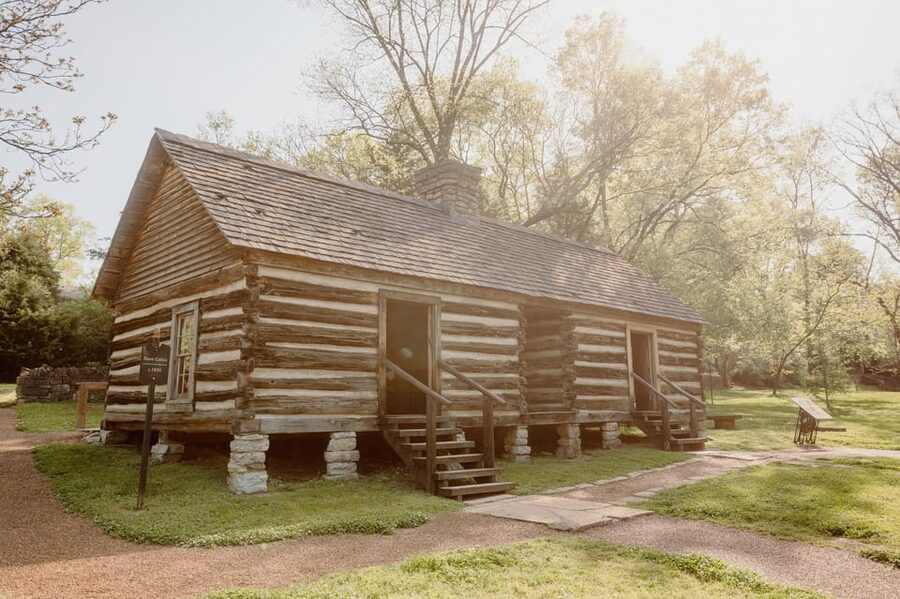
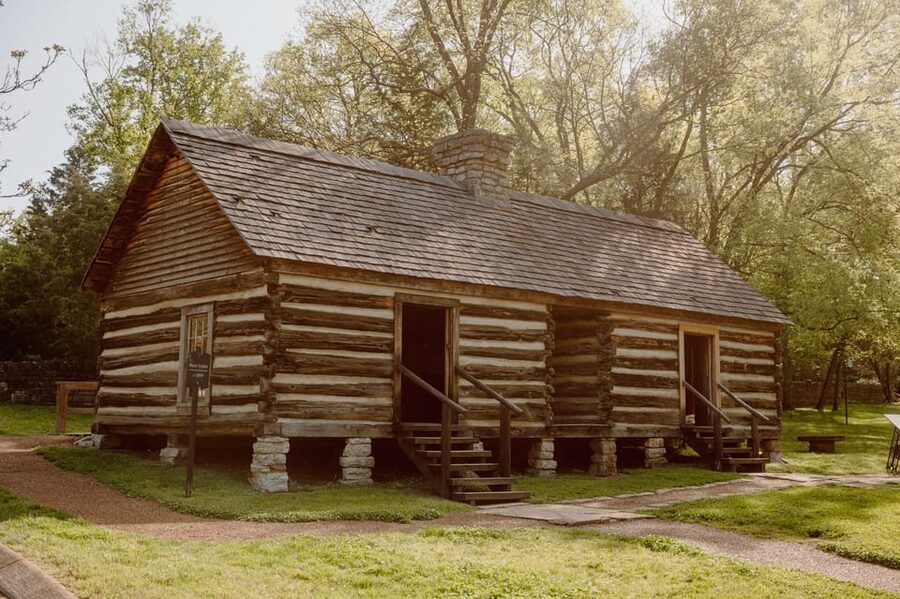
You check in at the Visitors Center, at Tickets & Guest Services on the right after entering. From there, the walking tour begins inside the historic kitchen house.
This is an effective first stop. Kitchens were places of hard work, but they also required specialized skills. The tour explains the different types of skilled labor performed by enslaved people at Belle Meade, helping you see them as workers with expertise rather than as a nameless group in the background.
The kitchen house also puts physical space behind the history. Instead of hearing only about labor in the abstract, you stand in a building connected to the daily work of preparing food and keeping the plantation operating. That direct link between place and story makes the information easier to grasp.
I would pay close attention here. The tour is only an hour, and the opening material sets up much of what follows. If you arrive distracted or late, you may miss useful context about the plantation’s early years and the people who worked there.
Walking through Belle Meade’s historic grounds
After the kitchen house, the guide leads you to several points across the property. The exact stops are spread among the historic buildings and grounds, so comfortable shoes are important.
The walk gives you more than one fixed lecture. As you move through Belle Meade, the guide connects different locations to the people who lived and worked there. This can make the past feel less distant, though the outdoor format also means you should be prepared for a steady walk.
You will encounter historic outbuildings, gardens, and walking paths as part of the wider site. These areas are included with your admission, so it is worth leaving time before or after the tour to see them at your own pace.
The property also has an outdoor game court, a gift shop, and two restaurants. Meals are not included, and outside food or beverages are not allowed, but the restaurants give you an option if you want to eat on site.
The grounds are part of the value of the visit, but do not confuse site access with a longer guided tour. Journey to Jubilee itself is scheduled for 60 minutes. If you want time for the gardens, buildings, food, and shop, plan to spend longer at Belle Meade than the tour length alone suggests.
Enslavement, contract labor, and survival
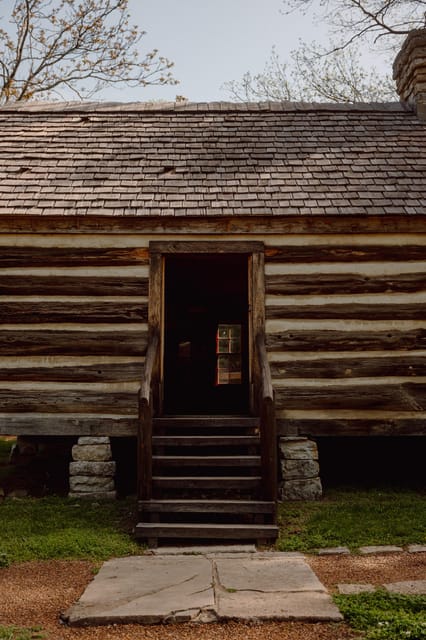
The central subject is the history of enslavement at Belle Meade and the contract labor that followed. The tour covers the period from the plantation’s establishment in 1807 through Tennessee’s adoption of the 13th Amendment in 1865.
That range allows the guide to show the history as a process rather than a single before-and-after moment. You will hear about the realities of forced labor, then about the changing labor system connected with contract work. The focus remains on the people affected by those systems.
The strongest part of the experience is its attention to perseverance. The tour does not turn suffering into a dramatic backdrop for the estate. Instead, it considers how people worked, adapted, and survived under conditions they did not choose.
That approach can be emotionally demanding. You should expect difficult subjects, including the loss of freedom and the exploitation of labor. The tour is not meant to provide a cheerful overview of a historic property, and that is precisely why it offers more value than a purely decorative plantation visit.
The material can also feel detailed. One visitor found some sections too detailed and wanted more time devoted to other parts. That is a fair concern. An hour leaves limited room to explain complicated labor systems while also giving each location the attention it deserves.
More civil rights and Black history tours in Nashville:
- Civil Rights Walking Tour of Nashville
★ 5.0 · 23 reviews - Nashville African American History & Civil Rights Walking Tour
★ 5.0 · 11 reviews - Nashville Black History & Civil Rights Trail Tour
★ 5.0 · 5 reviews - Civil Rights Tour Of Nashville
★ 5.0 · 4 reviews
The Black legacy of thoroughbred racing
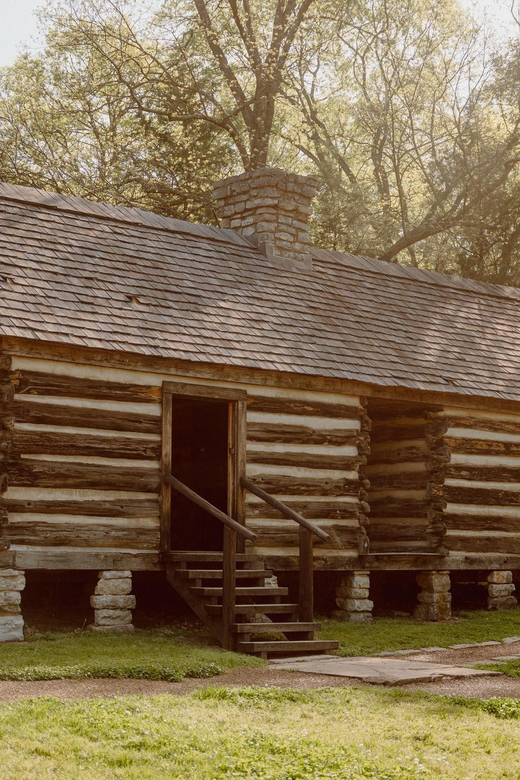
Belle Meade’s story is also tied to horse racing, and Journey to Jubilee explains the role of Black heritage in the thoroughbred racing industry.
This is an important addition because horse racing is often presented through owners, bloodlines, and trophies. The work of Black horsemen and other skilled workers can disappear from that version of events. By including their contributions, the tour connects plantation labor with a broader history of expertise in breeding, training, riding, and caring for horses.
The subject gives the tour a wider reach. You are not only learning about the plantation itself. You are also considering how Black workers shaped an industry whose public image has often left them out.
The information is especially useful if you already have an interest in American horse racing. If you do not, the guide still provides a clear reminder that sporting traditions depend on large amounts of skilled labor, much of it performed away from the spotlight.
Because the tour covers several major themes, the horse-racing section may feel brief. Still, its inclusion makes the experience more distinctive than a standard plantation history walk.
Guides who shape the experience
The guide makes a major difference on a tour dealing with painful history. Melissa has been praised for her professional manner and clear command of the material. Taegan has been noted for answering questions thoroughly and helping the tour remain interesting.
Taegan also received praise for patience with older people walking at a slower pace. That detail matters if someone in your party needs more time. You should still expect a walking tour, but a patient guide can make the experience more comfortable for a mixed-age group.
The guide leads in English. Ask questions as you go. The tour covers a lot in a short time, and a good question can help connect a detail from the kitchen house with the larger story of labor, family, and survival.
Guides will vary, so no particular person can be guaranteed. What you can expect is a live, human presentation rather than an audio recording or self-guided route.
Wine tasting after the serious history
The tour ends with a complimentary wine sampling in the Belle Meade Winery tasting room for visitors age 21 and older. This provides a quieter moment after the walking tour and its difficult subject matter.
The tasting does not erase what you have just heard, nor should it. Think of it as a chance to pause, talk, and reflect. For adults, it adds a small extra benefit to the ticket without turning the historical portion into a sales pitch.
Visitors under 21 can take the tour but cannot take part in the wine sampling. Meals and other drinks cost extra. If wine is not your interest, the main value remains the guided history tour and access to the site.
The tasting also gives the visit a clear ending. You move from the kitchen house and outdoor stops into a different setting, with time to process the information before continuing around the property.
What the $33 price gets you
At $33 per person, the price is reasonable if you want a guided historical experience rather than a quick look at a mansion. You receive the 60-minute Journey to Jubilee tour, the wine sample for those 21 and older, parking, and access to the gardens, outbuildings, trails, outdoor game court, gift shop, and two restaurants.
The value depends on how much of the wider site you use. If you arrive only for the one-hour walk and leave immediately, the price may feel less attractive. If you add time for the grounds, historic buildings, and a meal, the admission becomes easier to justify.
The tour’s strongest value is not the number of stops. It is the subject and the care given to people whose stories have often been overlooked. Visitors interested in American history, plantation history, Black history, or horse racing will get more from the ticket than someone looking only for attractive gardens.
Free parking helps keep the total cost down. Since food and beverages are not included, set aside extra money if you plan to eat on site.
Practical planning for the walk
Wear comfortable shoes. The route includes walking across the property, and there are several points to visit. You should also allow extra time before check-in so you can find the Visitors Center and reach Tickets & Guest Services on the right as you enter.
Tickets are valid only for the date and time purchased. The tour has scheduled starting times, so check availability before choosing your slot.
There are no wheelchairs available to rent on site. The information provided does not describe the route’s full accessibility, so contact the property directly if you need specific assistance beyond the available details.
Pets are not allowed. Service animals are permitted but must stay on a leash. Outside food and beverages are also prohibited.
Free cancellation is available up to 24 hours in advance for a full refund, and you can reserve now and pay later. Those options are useful if your Nashville plans are still changing.
Who should book Journey to Jubilee?
I would choose this tour if you want a direct, carefully researched account of enslavement and labor at Belle Meade. It is also a good fit if you want to understand the Black contribution to thoroughbred racing rather than hearing only about wealthy owners and historic buildings.
Families with older children and teenagers can make good use of it, especially if they are ready to discuss difficult history. The recommended age is 12 and older.
You may want another experience if you prefer a relaxed estate tour with little discussion of painful subjects. You may also feel rushed if you need a slow pace or want lengthy time at every stop. The tour is short, and its subject is broad.
FAQ
How long does the Journey to Jubilee tour last?
The guided walking tour lasts 60 minutes. You should allow extra time if you want to visit the gardens, historic outbuildings, trails, gift shop, restaurants, and other areas of the site.
Where do I check in?
Go to the Visitors Center and check in at Tickets & Guest Services on the right after entering the property.
What history does the tour cover?
The tour covers enslavement, contract labor, and the lives of enslaved people at Belle Meade from the plantation’s beginning in 1807 through Tennessee’s adoption of the 13th Amendment in 1865.
Is the tour suitable for children?
The tour is recommended for visitors age 12 and older because of its serious and sensitive subject matter.
Is wine tasting included?
Yes. The ticket includes complimentary wine sampling in the Belle Meade Winery tasting room for visitors age 21 and older.
Are meals included?
No. Meals and other beverages are not included. Belle Meade has two on-site restaurants, but outside food and beverages are not permitted.
Is parking available?
Yes. Free parking is included. Wear comfortable shoes because the experience involves walking across the property.
Should you book this tour?
Book Journey to Jubilee if you want Belle Meade’s history told through the lives and labor of enslaved people, with added context about Black heritage in horse racing. The kitchen house, outdoor stops, primary-source research, and thoughtful guides such as Melissa and Taegan give the visit real substance.
At $33, the tour offers good value when you use the included site access and stay for the gardens, outbuildings, or a meal. Just remember that one hour is not long for such a serious subject. Arrive ready to listen, wear good shoes, and give yourself extra time afterward to see the rest of Belle Meade.
More historical tours in Nashville
- Legends of Music City Guided Historical Walking Tour
★ 4.5 · 68 reviews - Nashville: Belle Meade Historic Mansion Tour
★ 4.8 · 63 reviews - Wander Nashville- Guided Historic Walking Tour
★ 5.0 · 55 reviews - Nashville: Music History Guided Walking Tour
★ 4.8 · 25 reviews
More history tours in Nashville
- Nashville Unveiled: The History, Music, and Hacks Tour!
★ 5.0 · 278 reviews - Nashville’s Historic Electric Bike Tour
★ 5.0 · 189 reviews - Nashville: Immersive E-Bike Tour of Music City’s History
★ 4.8 · 99 reviews - Civil War History Tour – The Battle of Franklin, Tennessee
★ 4.9 · 85 reviews
Newest Nashville write-ups
- First class limo in Nashville, Tennessee luxury car★ 5.0 · 19 reviews
- Adventure Park Ziplining and Climbing in Nashville★ 4.5 · 27 reviews
- Nashville Songwriter Experience: Write your own Song★ 5.0 · 37 reviews
- Live the Nashville Dream: Write and Record Your Very Own Song!★ 5.0 · 18 reviews
- Whiskey or Wine Pairing with Chocolate Experience★ 5.0 · 13 reviews
- Wander Nashville- Guided Historic Walking Tour★ 5.0 · 55 reviews
- Private Bike Taxi Tour: Nashville’s Downtown and Hidden Gems★ 4.5 · 11 reviews
- Vaccine: Search For The Zombie Cure – Escape Experience★ 5.0 · 30 reviews
Nashville Civil Rights & Black History Tours, compared.

Journey to Jubilee Guided Tour at Belle Meade with Wine Tasting
Read our review →

Nashville African American History & Civil Rights Walking Tour
Read our review →

Browse the lists this tour appears in