
Reviewed · NASHVILLE CIVIL RIGHTS & BLACK HISTORY TOURS
Civil Rights Walking Tour of Nashville
Nashville’s Civil Rights story comes alive in the streets, not just behind museum glass. This two-hour walk links Witness Walls, the Davidson County Courthouse, and a Civil Rights exhibition with the city’s wider African American story.
I like the compact route and the way a guide can explain what you are seeing instead of leaving you to read plaques alone. I also like the personal touch: Lauren, one of the named guides, brings her own perspective alongside the historical account. The main drawback is that the tour may not match every visitor’s idea of a traditional Civil Rights route, and you will need a moderate level of walking fitness.
Key points to know before you book
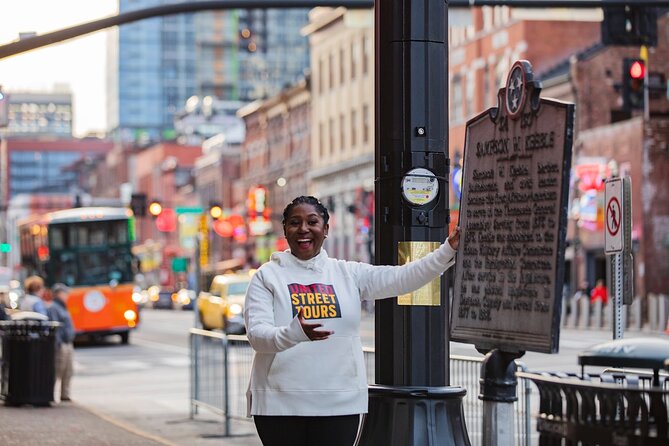
- See Nashville’s Civil Rights story on foot: The route connects public art, civic buildings, and cultural sites in central Nashville.
- Hear more than dates and names: Your guide adds stories and personal perspective that are hard to find on a self-guided walk.
- Expect a short, useful outing: At about two hours, this fits neatly before or after other downtown plans.
- End with a strong indoor element: The Civil Rights room at the library is a highlight, while the National Museum of African American Music adds wider context.
- Meet downtown with no hotel transfer: The tour begins at the Nashville Visitor Center on Broadway and ends in downtown Nashville.
- Plan for a real walking tour: Public transportation is nearby, service animals are allowed, and a moderate fitness level is advised.
Why Nashville’s Civil Rights story works best on foot
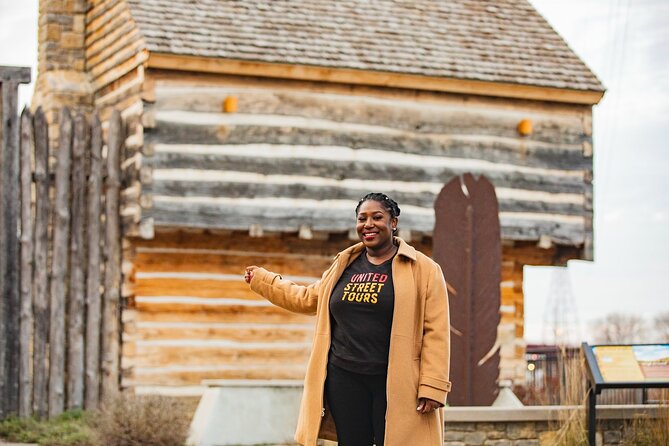
Nashville is often sold through country music, honky-tonks, and polished downtown attractions. Those are real parts of the city, but they do not tell the whole story. A Civil Rights walking tour gives you another way to read Nashville, using streets and public buildings as part of the lesson.
That matters because the setting is not decorative. A courthouse, a wall covered with public art, and a downtown cultural institution each tell a different part of the story. Your guide helps connect those pieces, so the city feels less like a collection of unrelated stops.
The tour lasts about two hours. That is long enough for a serious introduction, but short enough to fit into a busy day. You can schedule it between other downtown activities without giving up a full afternoon.
You should expect a walking experience rather than a museum tour with a few outdoor stops. The group can include up to 30 people, so the size is manageable but not especially intimate. If you prefer a quiet, private conversation with the guide, a group of that size may feel a little broad. If you enjoy hearing questions and reactions from other people, it can add useful energy.
More civil rights and Black history tours in Nashville:
- Journey to Jubilee Guided Tour at Belle Meade with Wine Tasting
★ 4.5 · 396 reviews - Nashville: Belle Meade Historic Site Journey to Jubilee Tour
★ 4.4 · 14 reviews - Nashville African American History & Civil Rights Walking Tour
★ 5.0 · 11 reviews
Starting at 501 Broadway with United Street Tours
The meeting point is the Nashville Visitor Center at 501 Broadway, Nashville, Tennessee 37203. That is a central place to begin, and the location makes the tour easy to add to a downtown schedule.
The first named stop is United Street Tours. Since the experience is operated by United Street Tours, this opening point introduces the organization behind the walk before the route moves into Nashville’s public spaces.
The practical advantage is simple: you do not need hotel pickup, a car, or a long ride across town. You make your own way to the visitor center, meet the professional guide, and begin from there. Public transportation is available nearby, which helps if you are staying outside the central area.
You receive a mobile ticket, and the tour is offered in English. Confirmation is sent within 48 hours of booking, subject to availability, so do not treat the reservation as final until that confirmation arrives.
Witness Walls: public art with a purpose
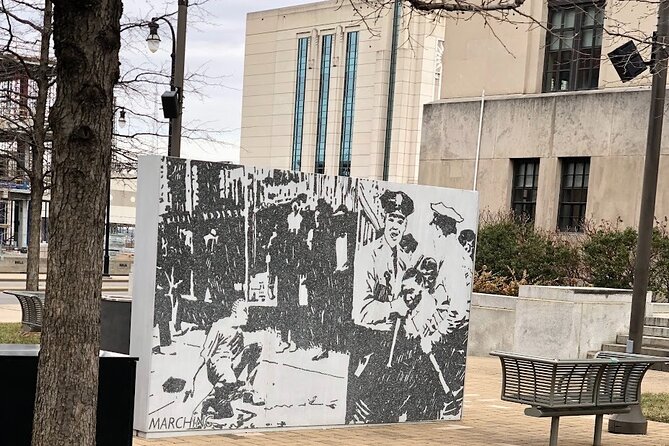
Witness Walls is one of the more visually direct stops on the walk. Murals and public art can make history easier to approach because they give you something concrete to study while the guide explains the people and events connected to it.
This is also where the tour differs from a list of dates in a textbook. You are looking at a public expression of memory in the same city where the events unfolded. The art gives the guide a natural starting point for stories, and it gives you a way to pause and think about how Nashville chooses to present its past.
The stop may appeal most to visitors who like history tied to place. You are not simply hearing an account and moving on. You are seeing how a community uses walls, images, and shared space to remember.
Still, keep your expectations sensible. A mural cannot explain every part of Nashville’s Civil Rights story. Its value comes from the conversation around it, so the quality and clarity of the guide matter here. This is one reason a professional guide adds more than a phone-based walking route.
Davidson County Courthouse and the civic story

The Davidson County Courthouse brings the tour into a more formal public setting. Courthouses represent law, authority, and civic decision-making, so this stop shifts the tone from public art to the institutions that shape daily life.
The guide can help you understand why the building matters within Nashville’s Civil Rights story. You may find that the stop makes the city’s past feel more connected to government and public responsibility, rather than something that happened only in schools, churches, or private homes.
The courthouse is also useful as a reminder that Civil Rights history is not limited to one famous speech or one well-known figure. It involves access, law, public space, and the choices made by institutions. A walk that includes a courthouse gives you a wider frame for understanding those issues.
This is not presented as a long courthouse visit with a separate interior tour. It is one point on a walking route, so the amount of time spent there may feel brief if you want detailed architectural or legal history. The tour’s goal is connection, not exhaustive coverage.
More walking tours in Nashville:
- Downtown Nashville Guided Sightseeing Walking Tour
★ 5.0 · 1,304 reviews - Walking Food & Drink Tour of Downtown Nashville
★ 5.0 · 1,140 reviews - Delicious Donuts of Nashville: A Sweet City Walking Adventure
★ 5.0 · 979 reviews - The Ghosts of Nashville Night-Time Walking Tour
★ 4.5 · 799 reviews
The National Museum of African American Music
The National Museum of African American Music is the route’s major cultural stop. Its presence makes sense in Nashville, where music is one of the city’s main public identities. The museum provides a way to connect African American cultural achievement with the city’s broader story.
The stop also helps keep the tour from becoming narrowly focused on political milestones. Civil Rights history is connected to music, art, community life, and the ways people express identity. The museum gives the guide room to discuss those links.
You should not assume that a two-hour walking tour gives you enough time to experience the entire museum. The attraction is listed as a stop within the route, so think of it as part of a guided introduction rather than a full museum day.
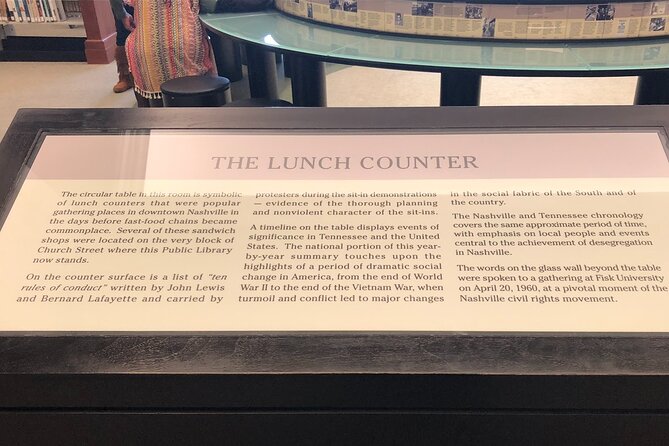
A separate Civil Rights room at the library is also singled out as a highlight of the experience. That indoor exhibition can be especially useful if you want a concentrated presentation after seeing outdoor sites. It gives you a quieter place to absorb the subject, and it adds variety to a route that otherwise depends on walking and street-level interpretation.
One point to note is that the stops may not line up perfectly with your expectations. If you imagined a tour focused only on the best-known protest locations, the inclusion of music and public art may seem unexpected. I see that as a different emphasis rather than a flaw, but it is worth knowing before you reserve.
A guide-led experience with room for personal perspective
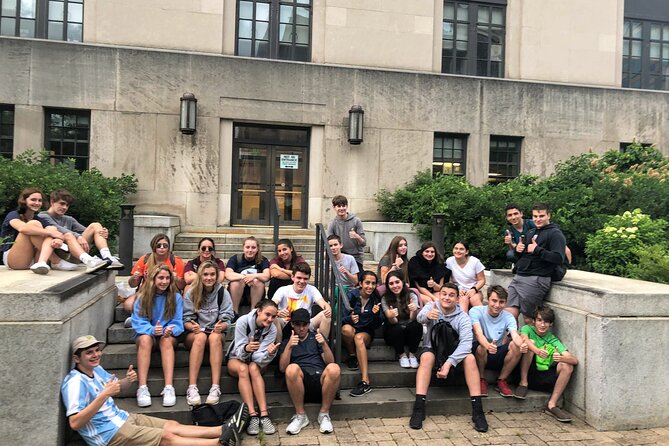
The most important part of this tour is the person leading it. Historical places can be flat without explanation. A guide can tell you why a stop matters, point out details you would miss, and connect separate locations into one story.
The experience specifically allows room for personal perspective. Lauren is named as one guide, and her approach combines her own viewpoint with historical information. That can make the subject feel more immediate, especially when the material is difficult or familiar only in broad outline.
You should still expect a balance between personal interpretation and historical context. A guide’s perspective can add warmth and clarity, but it also means the exact tone of the tour may vary depending on who leads your group. The professional guide is included, and the walk is offered in English.
The strongest parts of the experience are likely to be the moments when the guide turns a site into a story. You may already know the general outline of the Civil Rights Movement. What you gain here is a better sense of how those larger events relate to Nashville and the places you are standing.
How much walking and time should you plan?
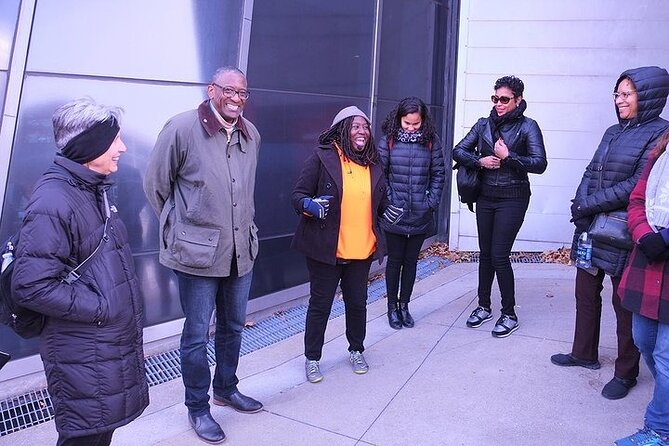
The tour takes about two hours and requires a moderate level of physical fitness. The supplied details do not give a precise distance, number of steps, or guarantee of seating at each stop, so you should plan for a genuine urban walk.
Wear comfortable shoes and leave enough time around the tour for a relaxed start and finish. The end point is listed as downtown Nashville rather than a specific hotel or attraction, so you may need a short walk afterward to reach your next plan.
The central location makes this easy to combine with other activities. You can schedule it during a morning downtown, use it as a break from music-focused sightseeing, or place it early in your visit so later stops around Nashville have more context.
The group maximum is 30 people. That limit keeps the experience from becoming a huge procession, but it does not promise a small private group. If you want to ask many questions, try to stay close enough to hear the guide clearly.
Service animals are allowed. The tour is also near public transportation, which is useful if you are not based downtown.
Value for your Nashville schedule
No price is provided here, so I cannot judge the exact cost against similar tours. I can still judge the shape of the experience. You receive about two hours with a professional guide, a central meeting point, and access to a mix of outdoor and indoor places without arranging your own route.
The value is strongest if you want interpretation. You could walk around downtown alone, photograph public art, and visit museums on your own. What you would miss is the link between those places, along with the personal perspective and stories that give them meaning.
It is also a good use of time for a first visit. The tour does not consume an entire day, and it gives you a clearer sense of how Nashville’s public spaces connect to its African American history.
The value is weaker if you want a full museum admission experience, a private guide, or a tightly focused list of major Civil Rights landmarks. This is a broad introduction with several different types of stops. You are paying, in effect, for guided context and a planned route rather than a long visit at one site.
Food and drinks are not included. That is not a serious issue for a two-hour downtown walk, but you should eat beforehand or plan a nearby stop afterward. Hotel pickup and drop-off are also not included, so transportation to the visitor center is your responsibility.
Who will get the most from this walk?
I would recommend this tour to anyone who wants more than Nashville’s entertainment district. It suits first-time visitors who want historical context without giving up an entire day, and it works well for people who prefer stories connected to real streets and buildings.
It is also a good fit if you enjoy a guide who can mix history with personal perspective. The strongest praise centers on the guide’s ability to make the subject engaging, clear, and easier to connect with the city you are seeing.
Families and mixed-age groups may appreciate the short length, though the moderate fitness requirement still matters. The subject is serious, so adults should decide how well the tone fits younger children.
You may want a different experience if you dislike group walks, have difficulty walking for two hours, or want a highly detailed museum visit. The route covers several places, so it cannot spend unlimited time at each one.
Booking and cancellation details worth noting
This experience is non-refundable and cannot be changed for any reason. If you cancel or request an amendment, the amount paid will not be returned. Make sure your schedule is firm before booking.
Confirmation arrives within 48 hours, subject to availability. You receive a mobile ticket, and the tour is conducted in English.
The start point is the Nashville Visitor Center, 501 Broadway, Nashville, TN 37203. The finish is in downtown Nashville. Since no hotel transfer is offered, allow time to reach the visitor center and make your own plans after the walk.
Should you book the Civil Rights Walking Tour of Nashville?
Book it if you want a compact, guided introduction to Nashville’s Civil Rights story, especially one that mixes murals, civic buildings, music, and an indoor Civil Rights exhibition. The combination gives you more range than a single-site visit, and the guide’s personal perspective can make the material easier to connect with.
Think twice if you want a private experience, a precise focus on only famous Civil Rights landmarks, or a full day inside the National Museum of African American Music. The route is broad and relatively short.
For a first visit to Nashville, I see this as a useful way to balance the city’s music-centered attractions with its civic and African American history. Plan for two hours on foot, meet at the visitor center, wear comfortable shoes, and book only when you are sure of your schedule.
FAQ
How long does the Civil Rights Walking Tour of Nashville last?
The tour lasts approximately two hours.
Where does the tour begin?
The tour begins at the Nashville Visitor Center, 501 Broadway, Nashville, TN 37203, USA.
Where does the tour end?
The tour ends in downtown Nashville, USA.
What language is the tour offered in?
The tour is offered in English.
Is a mobile ticket available?
Yes. The experience includes a mobile ticket.
What is included in the tour?
A professional guide is included.
Are food and drinks included?
No. Food and drinks are not included.
Is hotel pickup and drop-off provided?
No. Hotel pickup and drop-off are not included.
How many people can join the tour?
The tour allows a maximum of 30 travelers.
Newest Nashville write-ups
- First class limo in Nashville, Tennessee luxury car★ 5.0 · 19 reviews
- Adventure Park Ziplining and Climbing in Nashville★ 4.5 · 27 reviews
- Nashville Songwriter Experience: Write your own Song★ 5.0 · 37 reviews
- Live the Nashville Dream: Write and Record Your Very Own Song!★ 5.0 · 18 reviews
- Whiskey or Wine Pairing with Chocolate Experience★ 5.0 · 13 reviews
- Wander Nashville- Guided Historic Walking Tour★ 5.0 · 55 reviews
- Private Bike Taxi Tour: Nashville’s Downtown and Hidden Gems★ 4.5 · 11 reviews
- Vaccine: Search For The Zombie Cure – Escape Experience★ 5.0 · 30 reviews
Nashville Civil Rights & Black History Tours, compared.

Journey to Jubilee Guided Tour at Belle Meade with Wine Tasting
Read our review →
Belle Meade Historic Site Journey to Jubilee Tour
Read our review →
Nashville African American History & Civil Rights Walking Tour
Read our review →

Browse the lists this tour appears in