
Reviewed · NASHVILLE CIVIL RIGHTS & BLACK HISTORY TOURS
Nashville African American History & Civil Rights Walking Tour
Nashville’s famous music scene sounds different when you learn who helped shape it. This two-hour walk connects African American history and civil rights with Lower Broadway, the National Museum of African American Music, public art, local food, and the courthouse.
I like the route’s mix of major sights and smaller stories. I also like that a live guide can add context that a self-guided stroll misses, especially around the Civil Rights Museum and Assembly Food Hall. The main drawback is that two hours is short, and the tour does not include admission to museums or transportation.
Key points to know before you book
- A two-hour walk through central Nashville: The route begins and ends at the Nashville Visitor Center, making it easy to fit into a day downtown.
- African American music takes center stage: You stop at the National Museum of African American Music and connect Nashville’s sound to the people and traditions behind it.
- Lower Broadway is part of the history lesson: Expect a look at the famous music strip, including its large collection of bars and live music venues.
- Civil rights stories are tied to real civic places: The Nashville Public Library and Davidson County Courthouse help frame the city’s past and public life.
- A local guide leads the experience: Chiquita is praised for her passion and command of the subject. Guide assignments can vary, so check your booking details.
- It is an outdoor walking tour: Wear comfortable shoes, plan for changing weather, and expect a moderate level of physical activity.
Why this Nashville walk is more than a downtown sightseeing loop
It is easy to visit Nashville and see only neon signs, honky-tonks, and souvenir shops. This tour gives you a different entry point. You still see the places that define downtown, but you also hear how African American culture and civil rights shaped the city beneath the country music image.
The route links entertainment, government, food, music, and public memory. That matters because Nashville’s identity did not come from one industry or one group. The walk explains how the city moved from a segregated farm town toward the major American destination it is today.
I would book this early in a Nashville stay. The route can help you get your bearings, and the guide’s stories may change the way you look at Lower Broadway later. A second visit to the same street, after hearing the background, often feels more meaningful than the first.
The group can include up to 30 people. That is not an intimate private walk, so your experience may depend on where you stand and how clearly you can hear. On the plus side, a live guide can respond to questions and adjust the emphasis when the group shows interest in a particular subject.
More civil rights and Black history tours in Nashville:
- Journey to Jubilee Guided Tour at Belle Meade with Wine Tasting
★ 4.5 · 396 reviews - Civil Rights Walking Tour of Nashville
★ 5.0 · 23 reviews - Nashville: Belle Meade Historic Site Journey to Jubilee Tour
★ 4.4 · 14 reviews
Starting at the Nashville Visitor Center
The tour begins at the Nashville Visitor Center, at 501 Broadway. This is a sensible meeting point because it puts you right in the center of downtown and near public transportation.
You will want to arrive ready to walk. Pickup and drop-off are not included, and the activity returns to the same meeting point at the end. That makes the start and finish simple, but you need to arrange your own way to the Visitor Center.
The opening portion sets up the larger story. Instead of treating each stop as an isolated photo opportunity, the guide explains how Nashville’s public spaces, music culture, and African American communities connect. That context is especially useful if you have never studied the city beyond its music reputation.
Because the activity lasts about two hours, the pace needs to stay fairly steady. You can expect stops for explanation and photos, but this is not a slow, museum-style program. If you prefer long visits at every site, you may find the route brisk.
Lower Broadway: famous music, complicated history
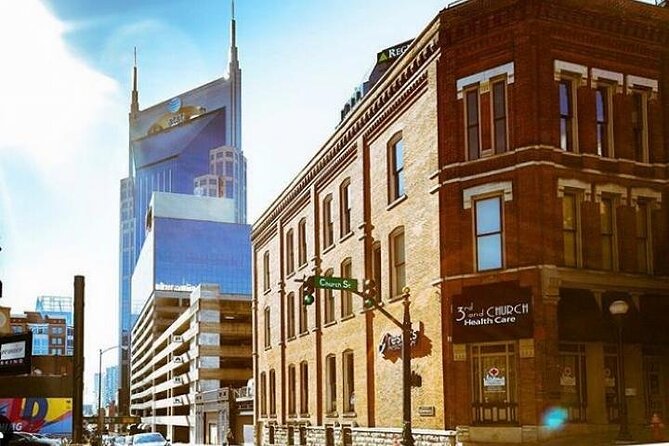
Lower Broadway is Nashville’s best-known strip, with more than 30 bars and a constant supply of live music. It is loud, crowded, and deliberately entertaining. The tour does not ignore that side of the city. Instead, it places the strip within a wider story about Nashville’s culture.
This is one of the most useful parts of the walk for first-time visitors. You see the famous signs and music venues, but you also learn how African American musicians and musical traditions influenced the sound people come to Nashville to hear.
The contrast can be striking. Broadway is built for quick decisions: enter this bar, take that photo, listen to the next band. A guide asks you to slow down long enough to consider the people and traditions behind the entertainment economy.
Do not expect a quiet stroll here. Lower Broadway is an active commercial street, and sound from the bars can compete with the guide. Stay close enough to hear and keep your attention on the group while crossing busy areas.
This stop is strongest for anyone who wants both the fun side of Nashville and a more honest account of how the city’s music culture developed. If you only want a bar crawl, the tour may feel too educational. If you want more than a bar crawl, Broadway becomes one of the route’s most useful stops.
The National Museum of African American Music
The quick stop at the National Museum of African American Music gives the tour its clearest connection to sound. The museum focuses on soulful melodies and African American contributions to music, making it a natural fit for a Nashville walk.
The important word here is quick. The tour includes a stop, but it does not promise a full museum visit. Admission is not listed among the inclusions, so you should not assume that your walking-tour ticket covers entry or allows enough time to see the galleries properly.
I see this as a preview rather than a substitute for the museum. The guide can explain why the museum belongs on this route and how its subject connects to Nashville’s wider story. If the music side of the tour grabs you, you may want to return on your own for a longer visit.
That arrangement can be good value when you want an overview before choosing which museums deserve your limited time. It can also disappoint if you expect a full indoor museum experience during the two-hour walk. Set your expectations correctly and this stop works well.
More history tours in Nashville:
- Nashville Unveiled: The History, Music, and Hacks Tour!
★ 5.0 · 278 reviews - Nashville’s Historic Electric Bike Tour
★ 5.0 · 189 reviews - Nashville: Immersive E-Bike Tour of Music City’s History
★ 4.8 · 99 reviews - Civil War History Tour – The Battle of Franklin, Tennessee
★ 4.9 · 85 reviews
Assembly Food Hall and the role of local food
Assembly Food Hall adds a practical, everyday part of Nashville to the route. Food is not just a break from sightseeing. It shows how a city presents its culture to both residents and people passing through.
You learn the background of the hall and hear about local food options. The tour does not include a meal, so plan to pay for anything you choose to eat separately. Since the walk ends back at the Visitor Center, you can also use the information to decide where to stop afterward.
I like this part because it keeps the tour from becoming a parade of monuments. Nashville’s story also lives in places where people gather, eat, and spend time. A food hall may seem less serious than a courthouse, but it helps you understand the city as a working place rather than only a backdrop for sightseeing.
The amount of time spent here is not specified. If food is your main interest, you may want to return after the tour instead of trying to squeeze a meal into the walk. If you are looking for local context and a useful downtown stop, the introduction should be enough.
Civil rights stories at the library and courthouse
The Nashville Public Library and Davidson County Courthouse give the walk a civic focus. These are not simply attractive downtown buildings. They help the guide explain civil rights, segregation, local leadership, and the institutions through which change was challenged and recorded.
The courthouse stop is especially useful because it connects history to government. You hear about local heroes and the city’s civil rights story in the setting where law and public authority matter. That link can make the subject feel less distant than a general lecture about national events.
The library adds another kind of public space. Libraries preserve information, serve communities, and help tell a city’s story. Together, the library and courthouse balance the music stops with places tied to education, law, and civic life.
The supplied route describes a stop at the Civil Rights Museum as well, but the formal stop list names the Nashville Public Library and Davidson County Courthouse. I would confirm the exact museum access and timing before booking if that particular visit is essential to you. The tour clearly includes civil rights discussion, but not every named place necessarily receives a long indoor visit.
This part of the walk may be the most valuable for anyone who wants Nashville history treated seriously. It also requires attention. You will get more from it if you listen to the guide’s explanations rather than treating the courthouse as a quick photo stop.
Murals, photos, and the city’s changing image
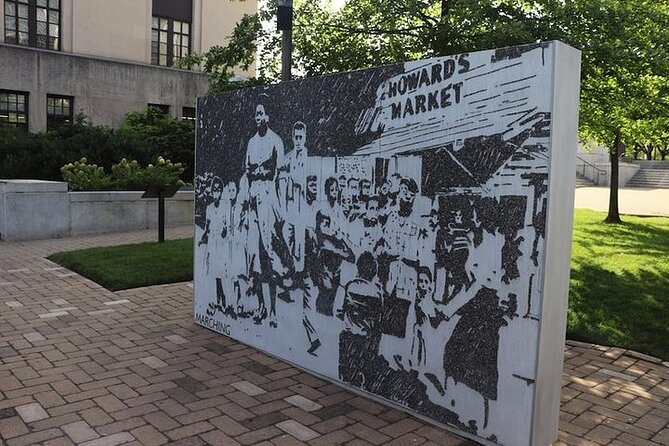
The route includes photo opportunities in front of colorful street art and murals. These stops bring visual energy to a subject that can otherwise feel heavy, and they give you something tangible to remember between the longer history discussions.
Public art also helps show how Nashville presents itself now. The murals and downtown scenes reflect a city that wants to be seen as welcoming and creative. The guide places that modern image beside the older story of segregation and change.
You should still keep the balance in mind. A mural stop is a brief visual break, not a full art tour. The value comes from how the guide connects the image to the surrounding neighborhood and the city’s changing identity.
Bring a phone or camera if you enjoy photos, but do not let the picture-taking crowd out the stories. The strongest part of this route is the link between what you see and what happened there.
What the live guide adds
A live guide is the heart of this activity. The route covers well-known places, but the guide supplies the background, local viewpoint, and transitions that turn a list of stops into a connected story.
Chiquita receives specific praise for her passion and command of the subject. If she is leading your departure, you can expect an energetic presentation with a strong personal connection to the material. Guide assignments are not confirmed in the supplied details, so check your booking information rather than assuming she will lead every tour.
The best guides make room for questions without losing the group’s pace. That matters here because the subjects range from music and food to segregation and civil rights. A good explanation can show how these topics belong together.
The group limit is 30 people. That is manageable for a city walk, though larger than the small groups some people prefer. Ask questions when the guide pauses, stay near the front if hearing is a concern, and keep your eyes on the guide in noisy areas.
Walking conditions and practical planning
You need a moderate level of physical fitness. The activity lasts around two hours and takes place on foot, with multiple downtown stops. The exact distance and surface details are not provided, so comfortable walking shoes are the safe choice.
The tour requires good weather. If poor weather causes cancellation, you will be offered another date or a full refund. I would avoid scheduling this as your only fixed downtown plan if the forecast looks uncertain.
Service animals are allowed, and the route is near public transportation. Pickup and drop-off are not included, so you need to reach the Nashville Visitor Center yourself and make your own plans after the walk.
The ticket is mobile, which is handy for a short city activity. Confirmation is sent within 48 hours of booking, subject to availability. Keep an eye on that confirmation because it will provide the practical details you need for your departure.
There is no stated admission, meal, or transportation included. That is not automatically poor value. A two-hour guided walk can be a cost-effective way to understand central Nashville before spending extra money on museums, food, or music venues. Just compare the ticket price with what you would pay for any museum entry you plan to add afterward.
Gratuities are optional. If the guide gives you a thoughtful, well-organized account of the city, you can decide at the end whether the service earned a tip.
Who will get the most from this tour
I would recommend this walk to first-time Nashville visitors who want a stronger sense of place than the usual entertainment district provides. It suits people interested in African American music, civil rights, local government, public art, and the way cities change.
It is also a good choice if you have only a short stay. In two hours, you see several major downtown areas and gather ideas for what to revisit independently.
Families with older children may find the mix of murals, music, food, and civic history easier to follow than a formal museum program. The tour is less suitable for very young children who cannot manage a steady two-hour walk or for anyone seeking a quiet, private experience.
You may want another activity if your main goal is a full museum visit, a dedicated music performance, or a long meal. This is a guided introduction to several themes, not a substitute for each individual attraction.
Should you book the Nashville African American History and Civil Rights Walking Tour?
Book it if you want Nashville explained through more than bars and country music. The route gives you Lower Broadway, the National Museum of African American Music, the library, the courthouse, food culture, murals, and civil rights context in one compact walk.
I especially like the way it connects popular sightseeing with difficult local history. The main tradeoff is time: two hours can introduce these subjects, but it cannot explore every museum or landmark in detail.
Choose a dry day, wear good walking shoes, and arrive at the Nashville Visitor Center ready to listen. If Chiquita is your guide, her strong personal connection to the subject is an added reason to look forward to the walk. If you want a thoughtful downtown orientation with a clear African American history focus, this is a sensible booking.
FAQ
How long is the Nashville African American History and Civil Rights Walking Tour?
The tour lasts approximately two hours.
Where does the tour begin?
It begins at the Nashville Visitor Center, 501 Broadway, Nashville, Tennessee 37203.
Where does the tour end?
The activity ends back at the Nashville Visitor Center, the same location where it begins.
Is the tour offered in English?
Yes. The experience is offered in English.
Is a live guide included?
Yes. A live guide is included.
Does the tour include hotel pickup and drop-off?
No. Pickup and drop-off are not included.
Is admission to the National Museum of African American Music included?
Admission is not listed among the included features. The tour includes a quick stop at the museum, but you should confirm entry details before booking if you want to visit the galleries.
What locations are included on the route?
The stated stops are the Nashville Visitor Center, Lower Broadway, the National Museum of African American Music, the Nashville Public Library, and Davidson County Courthouse. The experience also includes information about Assembly Food Hall, civil rights stories, and mural photo opportunities.
How large can the group be?
The tour can have a maximum of 30 travelers.
Can I cancel for a full refund?
Yes, if you cancel at least 24 hours before the experience start time. Cancellations or changes made less than 24 hours in advance are not accepted for a refund. If poor weather cancels the tour, you will be offered another date or a full refund.
More walking tours in Nashville
- Downtown Nashville Guided Sightseeing Walking Tour
★ 5.0 · 1,304 reviews - Walking Food & Drink Tour of Downtown Nashville
★ 5.0 · 1,140 reviews - Delicious Donuts of Nashville: A Sweet City Walking Adventure
★ 5.0 · 979 reviews - The Ghosts of Nashville Night-Time Walking Tour
★ 4.5 · 799 reviews
More historical tours in Nashville
- Legends of Music City Guided Historical Walking Tour
★ 4.5 · 68 reviews - Nashville: Belle Meade Historic Mansion Tour
★ 4.8 · 63 reviews - Wander Nashville- Guided Historic Walking Tour
★ 5.0 · 55 reviews - Nashville: Music History Guided Walking Tour
★ 4.8 · 25 reviews
Newest Nashville write-ups
- First class limo in Nashville, Tennessee luxury car★ 5.0 · 19 reviews
- Adventure Park Ziplining and Climbing in Nashville★ 4.5 · 27 reviews
- Nashville Songwriter Experience: Write your own Song★ 5.0 · 37 reviews
- Live the Nashville Dream: Write and Record Your Very Own Song!★ 5.0 · 18 reviews
- Whiskey or Wine Pairing with Chocolate Experience★ 5.0 · 13 reviews
- Private Bike Taxi Tour: Nashville’s Downtown and Hidden Gems★ 4.5 · 11 reviews
- Wander Nashville- Guided Historic Walking Tour★ 5.0 · 55 reviews
- Vaccine: Search For The Zombie Cure – Escape Experience★ 5.0 · 30 reviews
Nashville Civil Rights & Black History Tours, compared.
Journey to Jubilee Guided Tour at Belle Meade with Wine Tasting
Read our review →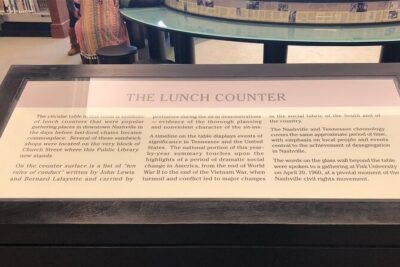
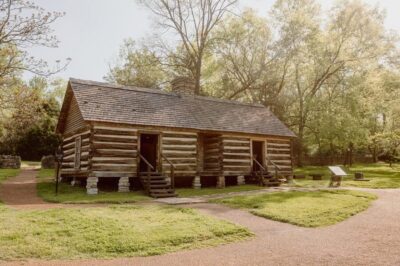
Belle Meade Historic Site Journey to Jubilee Tour
Read our review →
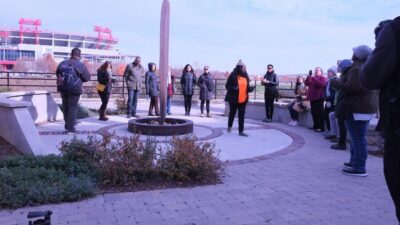

Browse the lists this tour appears in