

Reviewed · NASHVILLE CIVIL RIGHTS & BLACK HISTORY TOURS
Nashville Black History & Civil Rights Trail Tour
Nashville’s Lower Broadway is famous for neon signs, honky-tonks, and live music, but this tour asks you to look past the party strip. A live guide connects downtown places with the Black Nashvillians, institutions, and student activists who helped shape the city and the wider civil rights struggle.
I like the local perspective and the focus on stories often missing from plaques and standard sightseeing tours. I also like the small-group cap of 20, plus guides such as Chakita Patterson, whose upbeat, interactive approach adds energy to serious subject matter.
The main drawback is the narrow route. The tour focuses on downtown, with Lower Broadway as its main setting, so you should not expect a full citywide tour of Nashville’s Black neighborhoods, colleges, or museums. The listed duration is about two hours, though one description of a related experience refers to one hour, so confirm the exact timing when you book.
Key points to know before you go

- Lower Broadway gets a different reading: The city’s most visited street becomes a setting for Black history, not just nightlife.
- February 1960 is a central civil rights story: Students from American Baptist College, Fisk University, Meharry Medical College, and Tennessee State University challenged segregation at lunch counters, movie theaters, and other public places.
- Guides add local context: Chakita Patterson is specifically noted for lively delivery, lesser-known facts, and discussion of controversy.
- The tour is built for a small group: A maximum of 20 people should make it easier to hear the guide and ask questions.
- You meet at the Nashville Visitor Center: The start is at 501 Broadway, with no pickup or drop-off included.
- Plan for a walk: A moderate level of physical fitness is advised, and the experience depends on suitable weather.
Why Lower Broadway is the right place to begin
The Nashville Visitor Center at 501 Broadway is an easy starting point if you are already downtown. From there, the tour turns a familiar street into a lesson in power, memory, protest, and public space.
Lower Broadway is usually sold as the heart of Nashville’s entertainment district. That reputation can make it easy to miss the people and events that came before the guitar shops and bars. This tour uses the street’s popularity to make its subject hard to ignore. You are not being sent to a distant museum and asked to imagine the downtown connection. You are standing in the middle of the city’s public life.
The setting also gives the guide a useful contrast. Nashville’s polished tourist image is only one part of the story. Black residents helped build the city, challenged its rules, created institutions, and pushed for access to places that many visitors now enter without a second thought.
Because the route is concentrated downtown, you can fit it into a morning or afternoon without giving up a full day. That makes it a practical choice for a first visit, especially if you want historical context before exploring more of Nashville on your own.
More civil rights and Black history tours in Nashville:
- Journey to Jubilee Guided Tour at Belle Meade with Wine Tasting
★ 4.5 · 396 reviews - Civil Rights Walking Tour of Nashville
★ 5.0 · 23 reviews - Nashville: Belle Meade Historic Site Journey to Jubilee Tour
★ 4.4 · 14 reviews
The February 1960 student protests

One of the most important stories connected with this experience is the February 1960 campaign led by students from four Nashville colleges: American Baptist College, Fisk University, Meharry Medical College, and Tennessee State University.
These students confronted segregation at lunch counters, movie theaters, and other public places in Nashville and beyond. The story matters because it puts young people at the center of the city’s civil rights history. It also shows that change did not simply arrive through famous national speeches. It required organized local action, personal risk, discipline, and persistence.
A good guide can explain how these actions affected daily life rather than presenting them as a list of dates. You should expect attention to the courage involved, but also to the practical questions: Who could sit where? Who was allowed service? Which businesses controlled access? What happened when students challenged those rules?
The tour is especially useful if you know the broad outline of the civil rights movement but want a closer look at Nashville’s role. The city is not presented as a passive backdrop. Its colleges, students, businesses, and public spaces are part of the story.
Chakita Patterson’s approach to the story
Chakita Patterson is specifically identified as one of the guides for this experience. Her approach is described as upbeat, energetic, and interactive, which can make a difference on a subject that includes injustice, protest, and painful memories.
Energy does not mean the history is treated lightly. In this setting, it can help keep a walking tour focused and accessible. Patterson is also noted for bringing up little-known facts and explaining controversies rather than smoothing them over.
That last point is important. Historical tours can become too tidy. A guide who addresses disagreement and uncomfortable details gives you a better sense of how the past is remembered, debated, and sometimes left out.
Guide quality can vary by departure, since Chakita Patterson may not lead every tour. Still, the company’s format clearly depends on a live guide rather than an audio track or a phone app. You have a chance to ask questions and follow up when a detail catches your attention.
If you are a Nashville resident, that local angle may be especially valuable. One person who had lived in the city for more than 20 years said the tour still taught them a great deal. You do not need to be new to Nashville to find gaps in the familiar story.
What you will learn beyond the usual plaques
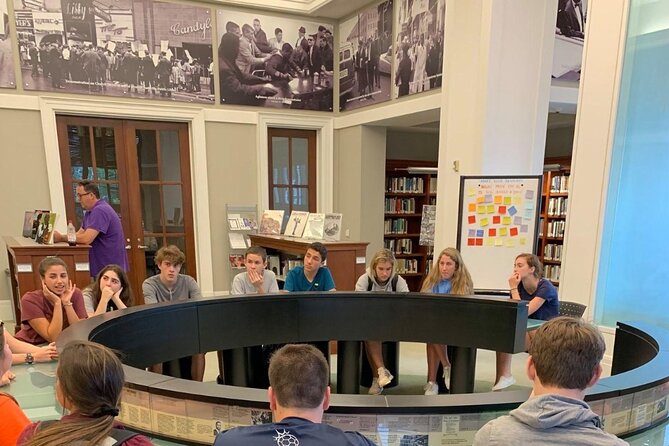
The strongest reason to book this tour is its choice of subject. Many city tours focus on presidents, musicians, buildings, and famous dates. Those topics have their place, but they do not explain Nashville fully.
This experience focuses on stories that are often left out of history books and public markers. That can include the work of Black students, educators, institutions, and community members whose actions changed access to public life.
You should expect the guide to connect specific events with wider questions about equity, empathy, and civic responsibility. One description of the related Slavery to Freedom walking experience presents the past as a guide for challenging racism in the present. That gives the tour a purpose beyond memorizing names and dates.
The presentation also appears designed to be participatory. The guide is not simply reciting a script while you follow along. The emphasis on interaction means you may be asked to think about what the places meant at the time, who had access to them, and how the city’s public memory has changed.
The tour will not answer every question about Black Nashville. It is only about two hours, and the route is downtown. But it can give you a sharper framework for understanding the city before you visit other sites or continue exploring independently.
More history tours in Nashville:
- Nashville Unveiled: The History, Music, and Hacks Tour!
★ 5.0 · 278 reviews - Nashville’s Historic Electric Bike Tour
★ 5.0 · 189 reviews - Nashville: Immersive E-Bike Tour of Music City’s History
★ 4.8 · 99 reviews - Civil War History Tour – The Battle of Franklin, Tennessee
★ 4.9 · 85 reviews
A small group makes a difference
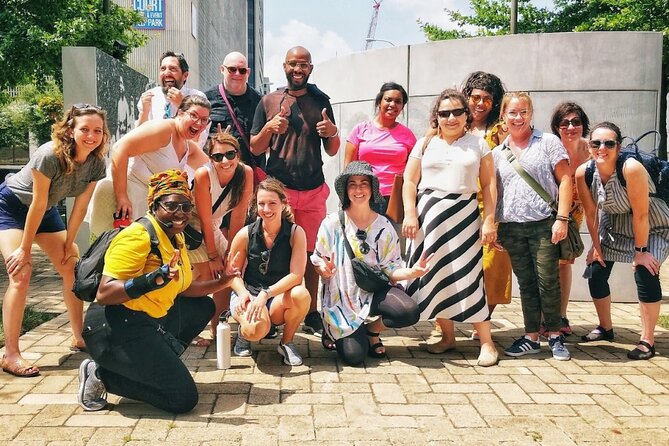
The maximum group size is 20 people. That is not a private tour, but it is small enough to avoid the feel of a large procession, provided the full group attends.
For a history walk, group size affects more than comfort. You need to hear names, dates, and explanations clearly. You also need room to pause at a busy downtown location without losing the guide.
A small group can make questions easier, too. If you are curious about a college, a protest tactic, or a specific downtown location, you are more likely to have a useful exchange when the guide is not managing dozens of people.
The tour is offered in English, and a mobile ticket is available. Keep your phone ready for the ticket and meeting details, but expect the main experience to come from the person leading you through downtown.
What the logistics mean for your day
The tour starts at the Nashville Visitor Center, 501 Broadway, Nashville, Tennessee 37203. Pickup and drop-off are not included, so you need to reach the meeting point yourself and arrange your own way onward.
The end point is listed as Nashville, Tennessee, with the exact finish described as various. That means you should avoid scheduling a tight activity immediately afterward. Allow extra time for the walk to finish, questions, and getting back to your next stop.
The advertised duration is approximately two hours. One supplied description of a related tour refers to a one-hour experience, so the safest practical advice is to confirm the departure length and route at booking. Either way, this is a short city experience rather than a full-day program.
No tour price is provided here, so I cannot judge the exact dollar value. The value will depend on the current rate, but the useful comparison is clear: you are paying for a live guide, local interpretation, and a focused history experience rather than transportation or a major admission ticket. If you want context that you can carry into the rest of your Nashville visit, that can be worthwhile. If you mainly want entry to a museum or a broad sightseeing loop, this may not be the best use of your budget.
Entrance fees are included if they apply. Since the experience is centered on a downtown route and no specific major attraction is listed, you should not assume that additional museum admissions or separate activities are part of the tour.
Walking comfort, weather, and access
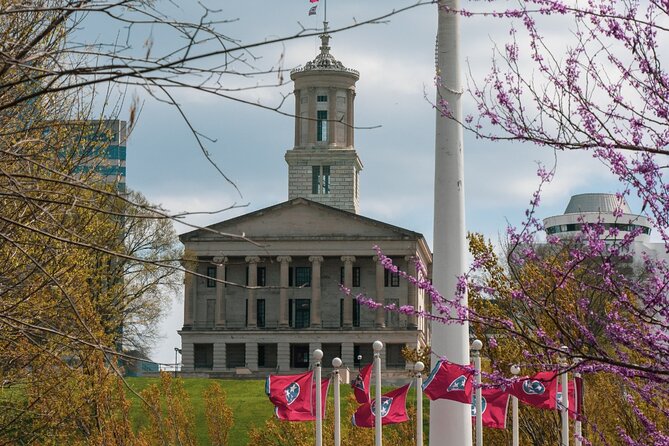
You should have a moderate level of physical fitness. The information does not give a detailed distance, number of steps, or seating schedule, so be prepared for a continuous downtown walk and time spent standing.
Wear comfortable shoes and check the forecast. This experience requires good weather, and poor conditions may lead to a different date or a full refund.
Service animals are allowed, and the meeting point is near public transportation. That helps if you are staying outside the downtown core or do not want to deal with parking.
Gratuities are optional and not included. If your guide gives you a thoughtful, well-organized experience, a tip is a normal way to show appreciation, but it is not a required part of the booking.
Who will get the most from this tour
I would recommend this experience to anyone who wants more than Nashville’s music and nightlife story. It fits history students, civil rights enthusiasts, educators, local residents, and first-time visitors who want a more complete view of the city.
It is also a good choice for families with older children and teenagers, provided they can manage a walking tour and engage with serious subject matter. The student-led protests offer a strong way to discuss how young people can organize around unfair laws and public rules.
This is less suited to anyone looking for a relaxed sightseeing ride, a food tour, or a long list of famous buildings. It is not designed to cover every part of Nashville’s Black community or to replace a visit to a museum, historic college campus, or cultural center.
The subject matter asks for attention. You will get more from it if you are willing to listen, ask questions, and consider how public places can carry several layers of meaning.
Is the tour worth booking?
Book it if you want Nashville’s civil rights story placed directly into the downtown streets you are already visiting. The strongest features are the local focus, the discussion of lesser-known details, the February 1960 student protests, and the chance to hear a live guide such as Chakita Patterson address both history and controversy.
Skip it if you need hotel pickup, a fully specified citywide route, or a precise attraction-by-attraction itinerary. Also confirm the exact duration before paying, since the supplied information describes the experience as approximately two hours while a related description refers to one hour.
For a modest time commitment, this tour can change how you read Lower Broadway. That is its real value. You leave with more than a few dates. You gain a better sense of who had to fight for a place in the city’s public life, and why those stories belong beside Nashville’s music history.
FAQ
Where does the Nashville Black History and Civil Rights Trail Tour begin?
The tour begins at the Nashville Visitor Center, 501 Broadway, Nashville, Tennessee 37203.
Where does the tour end?
The end point is listed as Nashville, Tennessee, with the exact finish described as various.
How long does the tour last?
The listed duration is approximately two hours. One related description refers to one hour, so confirm the exact timing when booking.
Is the tour offered in English?
Yes. The experience is offered in English.
Is a mobile ticket available?
Yes. The tour includes a mobile ticket.
Is transportation included?
No. Pickup and drop-off are not included. The tour starts at the Nashville Visitor Center, and you must make your own way there.
How many people can join the tour?
The maximum group size is 20 people.
Are service animals allowed?
Yes. Service animals are allowed.
Can I cancel for a full refund?
Yes, if you cancel at least 24 hours before the experience starts. Cancellations made less than 24 hours before the start time are not refunded, and changes within 24 hours are not accepted. If poor weather or an insufficient minimum number of participants causes cancellation, you will be offered another date or experience, or a full refund.
More historical tours in Nashville
- Legends of Music City Guided Historical Walking Tour
★ 4.5 · 68 reviews - Nashville: Belle Meade Historic Mansion Tour
★ 4.8 · 63 reviews - Wander Nashville- Guided Historic Walking Tour
★ 5.0 · 55 reviews - Nashville: Music History Guided Walking Tour
★ 4.8 · 25 reviews
Newest Nashville write-ups
- First class limo in Nashville, Tennessee luxury car★ 5.0 · 19 reviews
- Adventure Park Ziplining and Climbing in Nashville★ 4.5 · 27 reviews
- Nashville Songwriter Experience: Write your own Song★ 5.0 · 37 reviews
- Live the Nashville Dream: Write and Record Your Very Own Song!★ 5.0 · 18 reviews
- Whiskey or Wine Pairing with Chocolate Experience★ 5.0 · 13 reviews
- Private Bike Taxi Tour: Nashville’s Downtown and Hidden Gems★ 4.5 · 11 reviews
- Wander Nashville- Guided Historic Walking Tour★ 5.0 · 55 reviews
- Vaccine: Search For The Zombie Cure – Escape Experience★ 5.0 · 30 reviews
Nashville Civil Rights & Black History Tours, compared.
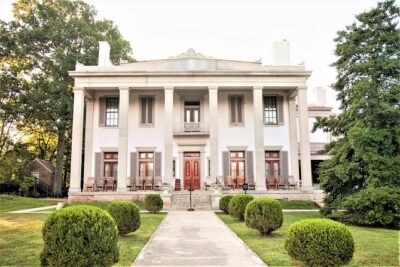
Journey to Jubilee Guided Tour at Belle Meade with Wine Tasting
Read our review →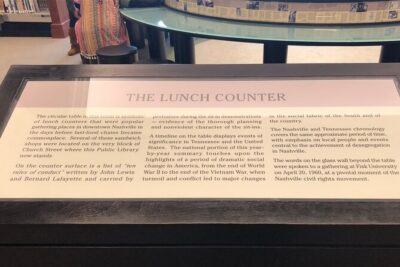
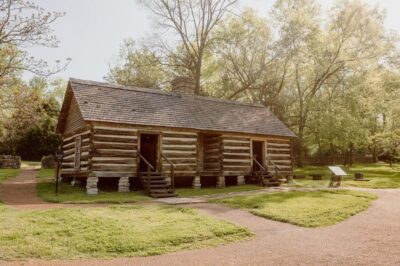
Belle Meade Historic Site Journey to Jubilee Tour
Read our review →
Nashville African American History & Civil Rights Walking Tour
Read our review →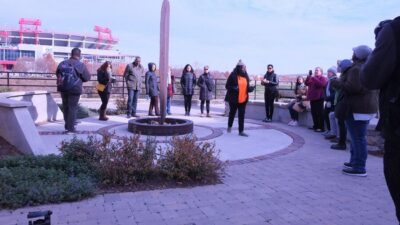

Browse the lists this tour appears in