
Reviewed · NASHVILLE CIVIL RIGHTS & BLACK HISTORY TOURS
Civil Rights Tour Of Nashville
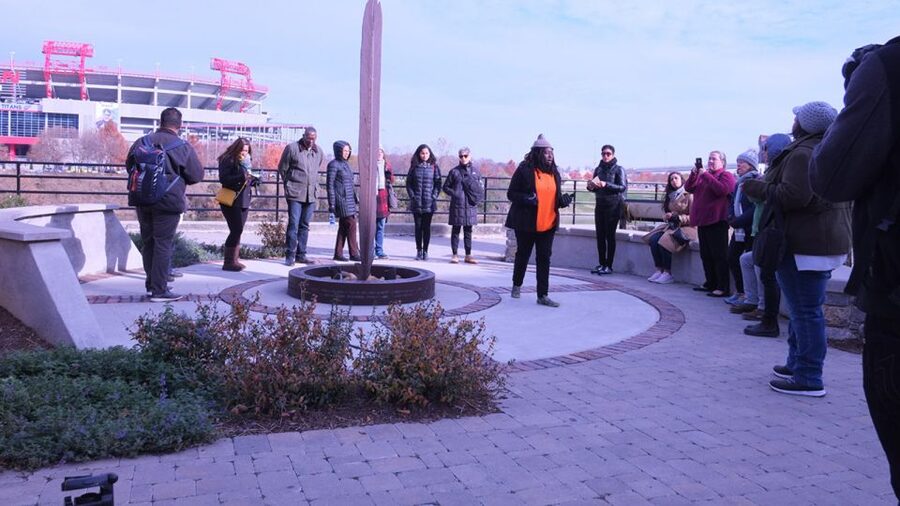
Nashville’s country-music image hides a powerful chapter: Black college students helped lead nonviolent Civil Rights protests here during the 1950s and 1960s. This walking tour brings that story into the center of town, from the former Woolworth lunch counter to the city library’s Civil Rights room.
I especially like the focus on student-led activism and the chance to sit at the Woolworth counter where sit-ins took place. I also like the way guide Chiquita tells the story through people, planning, and courage rather than treating Civil Rights as a distant textbook subject. The main consideration is price: at $298 per person for about two hours, this is a costly short tour, so you should value the personal storytelling and focused subject matter.
Key points at a glance
- Woolworth lunch counter: Sit at the place tied to Nashville’s famous sit-ins and consider what a public lunch counter once represented.
- Chiquita’s storytelling: Hear a detailed account of the organization behind the protests, not just a list of dates.
- Civil Rights room: Visit a special room in Nashville’s beautiful city library.
- Rare downtown sights: See lesser-known places connected to the movement and take distinctive city photos.
- Walking format: Cover the story on foot from the Nashville Visitor Center at 501 Broadway.
- Flexible booking: Cancel up to 24 hours before the tour for a full refund, and reserve now without paying immediately.
Nashville beyond country music

If you know Nashville mainly as the home of country music, this tour gives you another way to read the city. Its subject is not a side note. The tour presents Nashville as a place where students at predominantly Black universities took organized, nonviolent action during the Civil Rights Movement.
That framing matters. You are not simply being shown old buildings. You are being asked to consider how young people planned protests, faced unequal treatment, and helped force public change. The experience also connects that earlier struggle with current questions about race, equality, diversity, and inclusion.
I like that the tour treats the movement as part of American history rather than as a separate story belonging only to Black Americans. That makes the experience useful for visitors who want more than a sightseeing walk. It also gives families, students, and anyone interested in civic life a clear reason to spend two hours away from Nashville’s usual entertainment circuit.
The tone is described as fun and informative, but the subject is serious. Expect a tour that can leave you thinking about activism after the walk ends.
More civil rights and Black history tours in Nashville:
- Journey to Jubilee Guided Tour at Belle Meade with Wine Tasting
★ 4.5 · 396 reviews - Civil Rights Walking Tour of Nashville
★ 5.0 · 23 reviews - Nashville: Belle Meade Historic Site Journey to Jubilee Tour
★ 4.4 · 14 reviews
Starting at 501 Broadway

You meet at the front door of the Nashville Visitor Center, at 501 Broadway. This is a practical starting point in the middle of the city, and it makes the tour easy to pair with other downtown plans.
The experience is listed as two hours, while the walking description refers to a 1.5-hour tour. Plan for roughly two hours so you are not hurried afterward. Since you will be on foot, wear comfortable shoes. That advice is simple but important, particularly if you have already spent the day walking around downtown.
Your guide speaks English, and a professional guide is included. The group size is not specified, so you should not assume an intimate private walk or a large scheduled crowd. The quality of the experience will depend partly on how much you enjoy listening, asking questions, and moving between stops.
The Woolworth counter and the story of the sit-ins
The emotional center of the tour is the former Woolworth lunch counter. You get to sit at the counter where the Nashville sit-ins took place. That physical act gives the history weight. A written account can explain segregation, but sitting in the same kind of public space helps you picture the ordinary setting in which an extraordinary confrontation unfolded.
The counter also lets the guide explain the movement through action. The focus is not only on what happened, but on the organization that made the protests possible. Chiquita’s account of the lunch counter sit-ins is especially important because it highlights the preparation behind nonviolent protest.
That is one of the strongest reasons to book this walk. You are not just passing a marker and hearing a brief date. You are being shown how local activism worked and why discipline mattered. The story can be useful to anyone trying to understand how change begins at a local level.
The former Woolworth site also shows how a place can change meaning. The new Woolworth represents the changes activists fought for, while the counter keeps the earlier struggle visible. That contrast gives the stop a practical lesson: public spaces can carry both the memory of injustice and evidence of progress.
Do not expect the tour to turn the stop into a museum visit with a large collection of objects. Its value is the location, the explanation, and the chance to connect the physical counter with the people who challenged the system there.
Nashville’s Civil Rights room
Another key stop is the Civil Rights room in Nashville’s city library. The library itself is described as beautiful, and the room adds a quieter setting after the more direct impact of the Woolworth counter.
This part of the tour is useful because it places the local story in a civic setting. A city library is a public institution, so the room can help you think about who gets represented in public memory and how a city chooses to tell its past.
The available details do not specify the room’s displays or how long you spend there. You should treat it as an important stop within the walking route, not as a full standalone museum visit. The strongest experience comes from hearing the guide connect the room to the events and people you have already discussed.
If you enjoy photographs, the library is also described as a good photo opportunity. Keep in mind that the purpose of the stop is learning first. You will get more from it if you listen closely rather than rushing through for pictures.
Same city, a very different night out:
- Nashville Hop On Hop Off Trolley Tour
★ 4.5 · 5,643 reviews - Nashville: Food Tour with 5+ Tastings of Local Delicacies
★ 5.0 · 2,704 reviews - Best of Nashville City Sightseeing Tour on Double Decker Bus
★ 4.5 · 2,601 reviews - Explore the City of Nashville Sightseeing Tour by Golf Cart
★ 5.0 · 2,544 reviews
Rare sights and the off-the-beaten-path route
The tour promises rare and unique attractions, local hideaways, and a behind-the-scenes look at Music City. The exact list of locations is not provided, so I would not book it expecting a fixed checklist of famous landmarks.
Instead, think of the route as a way to notice parts of Nashville that a standard downtown visit can miss. The Civil Rights story gives those places a clear purpose. You are not walking at random. Each sight is tied to the movement, to local change, or to the way Nashville remembers its past.
That makes the route a good choice if you have already seen the obvious downtown sights or if you want your city walk to have a stronger theme. It can also help you get better acquainted with Nashville because the guide explains how selected locations fit into the city’s identity.
The photo opportunities are a pleasant extra, but they are not the main reason to choose this experience. If your goal is a fast list of Instagram stops, another sightseeing tour may suit you better. This walk works best when you are willing to pause and think about what a place meant at the time.
Chiquita’s role as guide
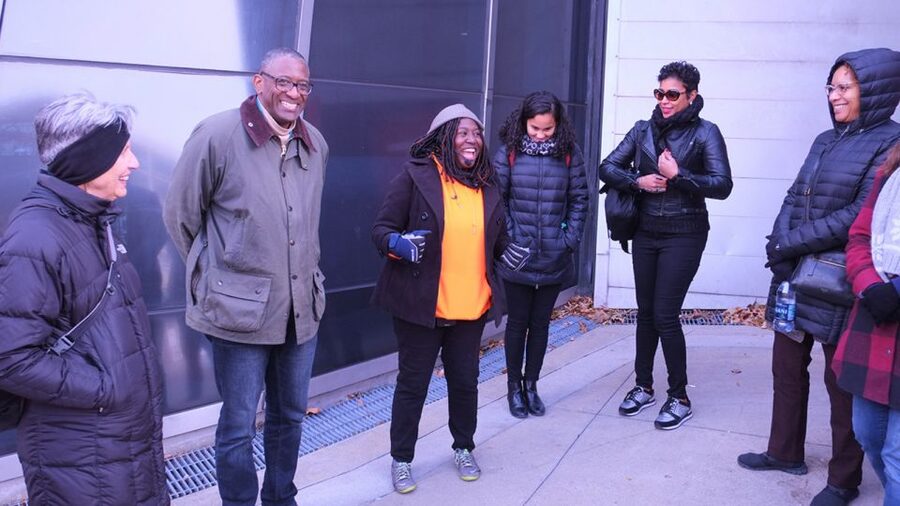
Chiquita is the named guide connected with the tour, and her storytelling is a major strength. Her account of the Woolworth sit-ins focuses on the remarkable organization behind them. That detail matters because it turns the story from a simple tale of bravery into a lesson in planning, teamwork, and sustained effort.
A good guide can make a short tour feel substantial, and Chiquita’s role seems especially important here because the route depends on context. A former building or lunch counter cannot explain itself. You need someone to connect the location with the people who used it and the larger struggle for equality.
The tour description calls the guides fun and informative. Still, the subject is not light entertainment. You should expect moments that are inspiring, difficult, and thought-provoking. The value comes from that balance.
Since only English is offered, you need enough English to follow a history-focused walking discussion. There is no indication that written translation or another language is available.
What the $298 price means
At $298 per person, this is expensive for a two-hour walking experience. The price is easier to justify if you place a high value on a specialist subject, a live guide, and access to meaningful places such as the Woolworth counter and the Civil Rights room.
It is harder to justify if you are comparing it with ordinary city walks based mainly on duration. You are paying for focus and interpretation, not transportation, a meal, or a long list of attractions. Entrance fees, if applicable, are included, but the available information does not name any separate admission charge.
I would compare the cost with your priorities. If Nashville’s Civil Rights story is central to your visit, a focused walk can be more useful than a cheaper general tour that only touches the subject. If you are watching your budget, you may want to weigh this against free public places and other paid activities in Nashville.
The reserve-now, pay-later option gives you some flexibility while planning. You can also cancel up to 24 hours in advance for a full refund. Those policies do not reduce the price, but they do make it easier to fit the walk into a changing schedule.
Who should book this walking tour
I would recommend this tour to you if you want to understand Nashville through its Civil Rights story rather than through music alone. It suits adults, students, families with older children, and visitors who care about American history, equality, and local activism.
It is also a good fit if you appreciate a guide-led experience. The meaning of the stops comes from the stories, especially the account of the sit-ins and the organizing that supported them. You will get less from the tour if you prefer to explore silently at your own pace.
The walking format suits people comfortable on city streets for up to two hours. Comfortable shoes are essential. The information says the activity is wheelchair accessible, but it also says it is not suitable for wheelchair users. That is a clear conflict, so wheelchair users should confirm access directly with United Street Tours before booking rather than relying on the general accessibility label.
The tour is conducted in English. No group size is given, so ask ahead if the size of the group is important to you.
Practical details before you go
Meet at the front door of the Nashville Visitor Center, 501 Broadway. Arrive ready to walk and listen, with comfortable shoes as the one stated item to bring.
The duration is given as two hours, although the walking description also calls it a 1.5-hour tour. Allow the full two hours in your schedule. The tour includes a professional guide and entrance fees if applicable.
You can cancel up to 24 hours in advance for a full refund. You can also reserve and pay later, which helps if you are arranging several Nashville activities and want to keep your plans flexible.
The experience provider is United Street Tours of Nashville. The tour is offered in English with a live guide.
Should you book it?
Book this Civil Rights tour if you want a focused, personal look at Nashville’s role in the movement and you are comfortable paying a premium for two hours of guided interpretation. The Woolworth counter, the city library’s Civil Rights room, and Chiquita’s account of the sit-ins give the walk a strong core.
Skip it if your main goal is cheap sightseeing, a long itinerary, or a broad tour of Nashville attractions. At $298 per person, the cost demands real interest in the subject.
For the right visitor, this is not just a downtown walk. It is a chance to connect a familiar city with the students, organizers, and public places that helped change it.
FAQ
Where does the Civil Rights Tour of Nashville meet?
Meet at the front door of the Nashville Visitor Center at 501 Broadway.
How long does the tour last?
The activity information lists a duration of two hours. The walking-tour description also refers to a 1.5-hour tour, so allow two hours in your schedule.
What language is the tour conducted in?
The live tour guide speaks English, and English is the listed tour language.
What is included in the tour?
A professional guide is included, along with entrance fees if applicable.
What should I bring?
Bring comfortable shoes because the experience is a walking tour.
Can I cancel for a refund?
Yes. You can cancel up to 24 hours in advance for a full refund.
Can I reserve now and pay later?
Yes. The reserve-now, pay-later option lets you book your spot without paying immediately.
Newest Nashville write-ups
- First class limo in Nashville, Tennessee luxury car★ 5.0 · 19 reviews
- Adventure Park Ziplining and Climbing in Nashville★ 4.5 · 27 reviews
- Nashville Songwriter Experience: Write your own Song★ 5.0 · 37 reviews
- Live the Nashville Dream: Write and Record Your Very Own Song!★ 5.0 · 18 reviews
- Whiskey or Wine Pairing with Chocolate Experience★ 5.0 · 13 reviews
- Wander Nashville- Guided Historic Walking Tour★ 5.0 · 55 reviews
- Private Bike Taxi Tour: Nashville’s Downtown and Hidden Gems★ 4.5 · 11 reviews
- Vaccine: Search For The Zombie Cure – Escape Experience★ 5.0 · 30 reviews
Nashville Civil Rights & Black History Tours, compared.

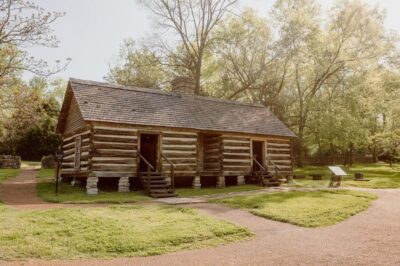
Journey to Jubilee Guided Tour at Belle Meade with Wine Tasting
Read our review →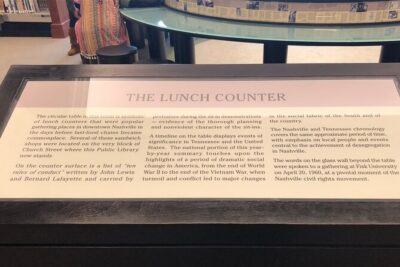
Belle Meade Historic Site Journey to Jubilee Tour
Read our review →
Nashville African American History & Civil Rights Walking Tour
Read our review →

Browse the lists this tour appears in